
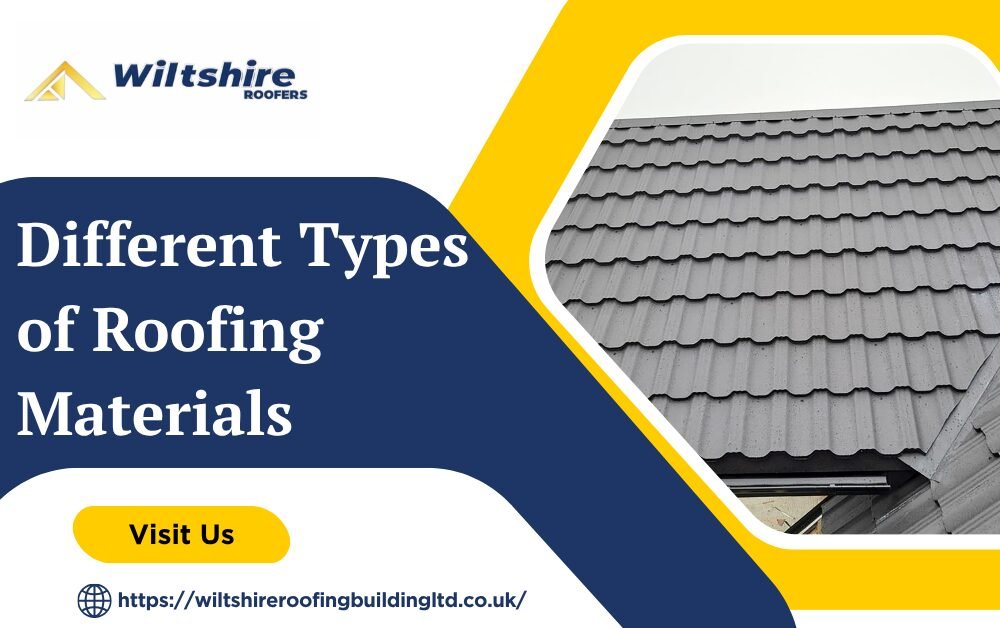
A roof is one of the most critical structural elements of any property, serving as the primary barrier against weather conditions while contributing significantly to energy efficiency, safety, and overall building performance. The choice of roofing material is therefore a crucial decision that directly impacts the durability, maintenance requirements, and long-term value of a property. Understanding the right roof materials and exploring different options is essential before making any investment. One of the best roofing contractors in Wiltshire, Wiltshire Roofing & Building Ltd, provides professional solutions for all types of roofing materials, designed for lasting protection and quality results.
In this guide, we will explore the most common roofing materials, their benefits, and where they are best used. Whether you are building a new property or planning a roof replacement, understanding the right roof materials will help you make a better decision.
Types of Roofing Materials
1. Asphalt Shingles
Asphalt shingles are one of the most popular and widely used roofing materials, especially in residential construction due to their affordability, versatility, and ease of installation. Asphalt shingles are roofing components made from a fiberglass or organic base mat that is coated with asphalt and topped with mineral granules. These granules protect the shingles from UV rays, improve durability, and give them their colour and texture. They are installed in overlapping rows, creating a waterproof barrier that protects the roof structure underneath.
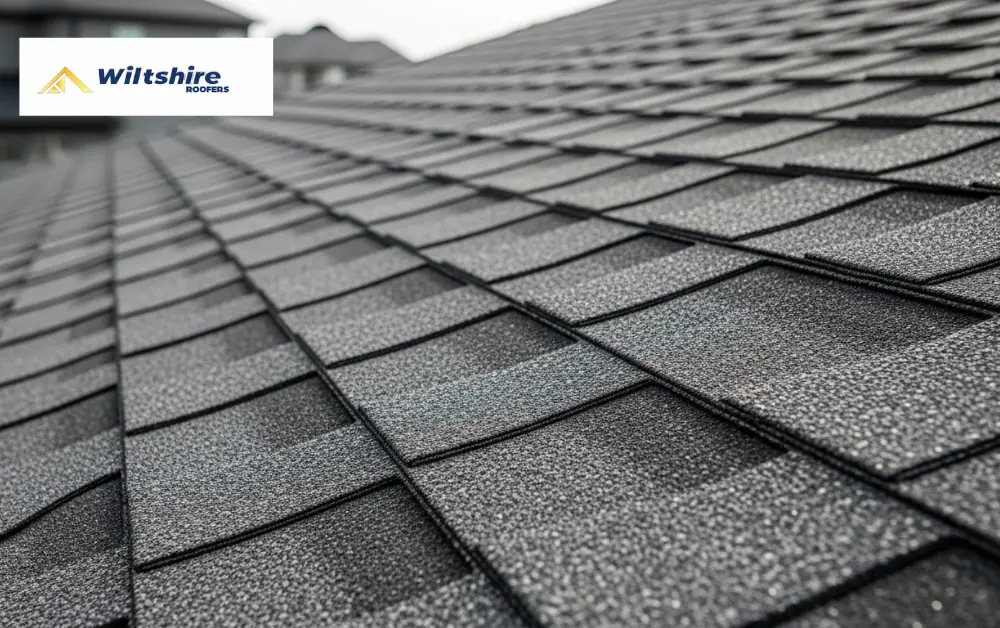
Types of Asphalt Shingles
There are several types of asphalt shingles available, including:
- 3-Tab Shingles: Flat and uniform in appearance, offering a simple and cost-effective roofing solution.
- Architectural Shingles (Dimensional Shingles): Thicker and more durable, providing a layered, textured look with improved weather resistance.
- Luxury Shingles: High-end shingles designed to mimic the appearance of slate or wood, offering enhanced aesthetics and durability.
Key Advantages
- Cost-Effective: One of the most budget-friendly roofing materials available.
- Easy Installation: Quick to install, reducing labour time and costs.
- Wide Design Options: Available in various colours and styles to match different property designs.
- Good Weather Resistance: Performs well in moderate wind, rain, and temperature changes.
- Lightweight: Does not require additional structural reinforcement.
Limitations
- Moderate Lifespan: Typically lasts between 15 to 30 years depending on quality and maintenance.
- Weather Sensitivity: Can be affected by extreme heat, strong winds, or heavy storms over time.
- Maintenance Needs: May require periodic repairs or replacement of damaged sections.
Lifespan of asphalt shingles
Asphalt shingles typically last between 15 to 30 years, depending on their type and quality. Basic 3-tab shingles usually last around 15 to 20 years, while architectural shingles can last up to 30 years due to their thicker design. Factors such as weather conditions, installation quality, and regular maintenance also play an important role in determining their lifespan.
Cost Factors of asphalt shingles
The cost of asphalt shingles depends on factors such as material quality, roof size, design complexity, and labour charges. In the UK, asphalt shingles typically cost around £50 to £100 per square metre, making them one of the most affordable roofing options. Additional costs may include underlayment, ventilation, and installation requirements, which can increase the overall price.
Best Use
Asphalt shingles are best suited for residential homes, rental properties, and budget-conscious projects where cost efficiency and practicality are key priorities. They are particularly common in areas with moderate climates.
2. Metal Roofing
Metal roofing has become one of the fastest-growing roofing choices in both residential and commercial construction due to its exceptional durability, modern appearance, and long-term value. Metal roofing is made from large panels or shingles manufactured from materials such as steel, aluminium, zinc, or copper. These materials are often coated with protective layers to prevent corrosion and improve resistance to weather damage. Metal roofs are installed in overlapping sheets, creating a highly secure and weather-tight roofing system.
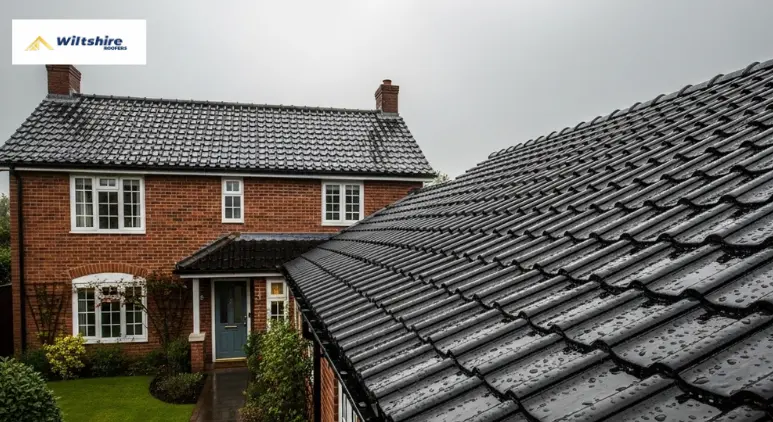
Types of Metal Roofing
There are several types of metal roofing systems available, including:
- Steel Roofing: The most commonly used option, known for strength and affordability.
- Aluminium Roofing: Lightweight and highly resistant to rust, ideal for coastal areas.
- Copper Roofing: A premium option with a distinctive appearance that develops a natural patina over time.
- Zinc Roofing: Extremely durable and self-healing, offering a long lifespan with minimal maintenance.
- Standing Seam Panels: A modern system with raised seams for improved water resistance and a clean architectural look.
Key Advantages
- Exceptional Durability: Can last 40 to 70 years or more with proper installation.
- Weather Resistance: Performs well against heavy rain, strong winds, snow, and fire.
- Energy Efficiency: Reflects sunlight, helping to reduce cooling costs in warm climates.
- Low Maintenance: Requires minimal upkeep compared to traditional roofing materials.
- Modern Aesthetic: Provides a sleek, contemporary appearance suitable for modern architecture.
Limitations
- Higher Initial Cost: More expensive upfront compared to asphalt shingles.
- Noise Factor: Can be noisy during heavy rain or hail without proper insulation.
- Thermal Expansion: Metal expands and contracts with temperature changes, requiring proper installation techniques.
- Repair Complexity: Damaged sections may require specialist repair work.
Lifespan of Metal Roofing
Metal roofing typically has a lifespan of around 40 to 70 years, depending on the type of metal used, installation quality, and maintenance. High-quality materials like aluminium, zinc, or copper can even last longer, especially when properly maintained and installed by professionals. Its long service life, combined with strong resistance to weather and corrosion, makes metal roofing a durable and reliable long-term roofing solution.
Cost Factors of Metal Roofing
The cost of metal roofing depends on several key factors such as the type of metal used, roof size, design complexity, labour charges, and additional installation requirements. In the UK, metal roofing typically costs around £70 to £120 per square metre, while premium materials like zinc or copper can be significantly higher depending on the specification and finish.
Best Use
Metal roofing is ideal for homeowners and property developers looking for a long-lasting, low-maintenance, and energy-efficient roofing solution. It is especially suitable for modern homes, industrial buildings, and areas exposed to extreme weather conditions.
3. Clay Tiles
Clay tiles are a traditional yet premium roofing material known for long lifespan and aesthetics. It is commonly used in Mediterranean, Spanish, and heritage-style architecture, where both aesthetics and durability are important considerations. Clay tiles are made from natural clay that is moulded into shape and fired at high temperatures in a kiln. This process gives the tiles their strength, hardness, and weather resistance. They are usually finished with either a natural terracotta tone or a glazed coating that enhances colour and provides additional protection.
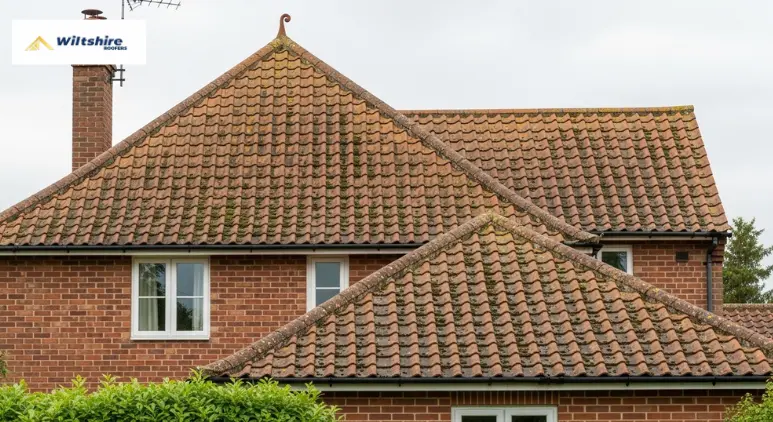
Types of Clay Tiles
There are several styles of clay roofing tiles, including:
- Spanish (S-shaped) Tiles: Known for their curved design that creates a wavy roof appearance.
- Flat Clay Tiles: Offer a more modern and streamlined look while maintaining traditional durability.
- Interlocking Tiles: Designed to fit together securely, improving water resistance and installation efficiency.
- Mission or Barrel Tiles: Common in Mediterranean architecture, providing a rounded, classic aesthetic.
Key Advantages
- Long Lifespan: Can last 50 to 100 years with proper maintenance.
- Excellent Weather Resistance: Performs well in heat, rain, and strong sunlight.
- Fire Resistant: Naturally non-combustible, offering added safety.
- Low Maintenance: Requires minimal upkeep once properly installed.
- Aesthetic Appeal: Enhances property value with a classic, elegant appearance.
Limitations
- Heavy Weight: Requires a strong roof structure to support the load.
- Higher Cost: More expensive than asphalt shingles and some metal systems.
- Fragility: Can crack if walked on or impacted by heavy objects.
- Installation Complexity: Requires skilled professionals for proper fitting.
Lifespan of clay tiles
Clay tiles typically have a lifespan of 50 to 100 years, depending on the quality of the tiles, installation standards, and maintenance. High-quality clay roofs, when properly installed and cared for, can even exceed 100 years, making them one of the most durable roofing materials available.
Cost Factors of clay tiles
The cost of clay tile roofing depends on several important factors such as the quality of tiles, roof size, design complexity, and labour charges. Structural reinforcement may also increase the cost because clay tiles are heavy and require a strong roof base. In the UK, clay tile roofing typically costs around £80 to £150 per square metre, with premium handmade tiles costing more. Although the initial cost is higher, clay tiles are a long-term investment due to their durability, low maintenance, and long lifespan.
Best Use
Clay tiles are ideal for high-end residential properties, villas, and buildings where architectural style and long-term durability are priorities. They are especially suitable for hot climates due to their natural heat resistance.
4. Slate Roofing
Slate roofing is created from fine-grained metamorphic rock that is split into thin, flat tiles. These tiles are then installed in overlapping rows to form a highly durable and water-resistant roofing system. Because slate is a natural material, each tile has a unique texture and appearance, giving every roof a distinctive character.
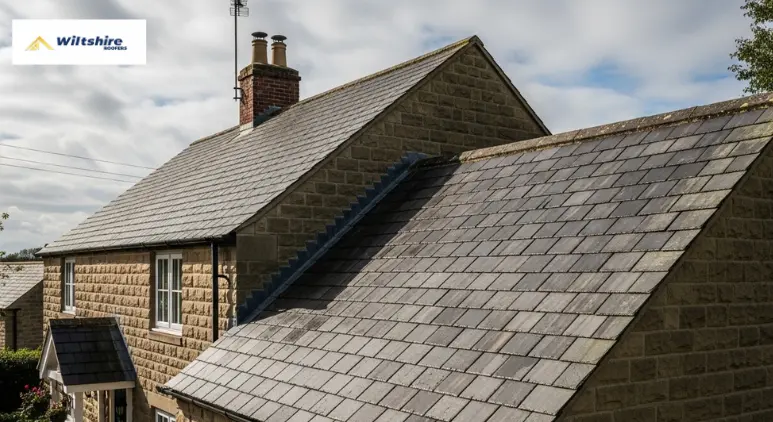
types of slate roofing
There are several styles of slate roofing, including:
- Natural Slate: Known for its premium quality, natural appearance, and very long lifespan.
- Hard Slate: Dense and highly durable, offering excellent weather resistance.
- Soft Slate: Easier to work with and more affordable than hard slate.
- Synthetic Slate: Lightweight, cost-effective, and designed to mimic natural slate.
- Fibre Cement Slate: Made from cement and fibres, offering durability with a slate-like finish.
Key Advantages
- Exceptional Lifespan: One of the longest-lasting roofing materials, typically ranging from 75 to 150 years or more.
- Superior Durability: Highly resistant to rain, snow, fire, and extreme weather conditions.
- Premium Appearance: Offers a natural, elegant, and high-end aesthetic that enhances property value.
- Eco-Friendly: A natural material with minimal processing and long service life, reducing replacement waste.
- Low Water Absorption: Provides excellent protection against moisture and leaks.
Limitations
- High Cost: One of the most expensive roofing materials due to both material and installation costs.
- Heavy Weight: Requires a strong and properly engineered roof structure to support the load.
- Specialist Installation: Must be installed by experienced roofing professionals to ensure safety and performance.
- Fragility During Handling: While durable once installed, slate tiles can crack if not handled carefully.
Lifespan of slate roofing
Slate roofing typically has a lifespan of 75 to 150 years, depending on the quality of the slate, installation, and maintenance. High-grade natural slate can even last over a century, making it one of the longest-lasting roofing materials available. With proper installation and minimal maintenance, slate roofs provide exceptional durability and long-term performance.
Cost Factors of slate roofing
The cost of slate roofing is high due to its premium quality and natural material. In the UK, it typically ranges from £90 to £200 per square metre, depending on the type of slate, roof size, and installation complexity. Additional costs may apply for structural support and skilled labour.
Best Use
Slate roofing is best suited for luxury homes, historic buildings, heritage restorations, and high-value properties where long-term investment, durability, and architectural elegance are priorities.
5. Flat Roofing Materials (EPDM, GRP, Felt)
A flat roof is a horizontal or near-horizontal roofing structure that is typically covered with waterproof materials such as felt, EPDM rubber, GRP fiberglass, or PVC membranes. These materials create a sealed surface that protects the building from water and weather damage. Choosing the right material plays a major role in durability, maintenance, and long-term performance. To understand which option is most suitable for your project, you can read our detailed guide on what are the best flat roof materials, which explains the pros, cons, and comparisons of all major systems.
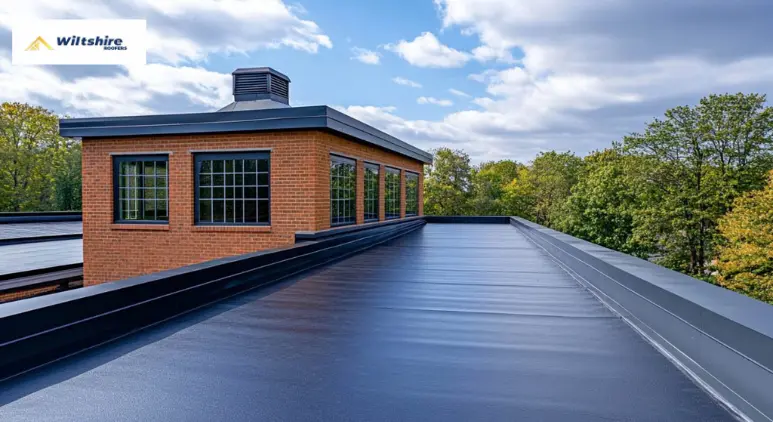
Types of Flat Roofing Systems
- Felt Roofing: A traditional system made of layered bitumen sheets, commonly used for garages and sheds.
- EPDM Rubber Roofing: A durable synthetic rubber membrane known for flexibility and long lifespan.
- GRP Fiberglass Roofing: A strong, seamless, and waterproof system ideal for modern flat roofs.
- PVC Roofing: A lightweight and energy-efficient membrane commonly used in commercial buildings.https://evergrip.com/what-is-grp/
Key Advantages
- Cost-effective roofing solution
- Simple and quick installation process
- Provides usable space for solar panels or rooftop equipment
- Suitable for modern architectural designs
- Easy access for maintenance and repairs
Limitations
- Requires proper drainage to avoid water pooling
- May need more frequent maintenance than pitched roofs
- Lifespan can vary depending on material quality
- Vulnerable to leaks if not installed correctly
Lifespan of flat roofing system
Felt roofing typically lasts around 10 to 15 years, EPDM rubber roofing can last about 20 to 30 years, and GRP fibreglass roofing may last 25 to 40 years with proper installation and maintenance. PVC flat roofing systems also offer a lifespan of around 20 to 30 years. Regular maintenance and proper drainage play an important role in achieving maximum durability.
Cost factor of flat roofing system
The cost of flat roofing materials in the UK varies depending on the type used. Felt roofing is the cheapest at around £40–£70 per square metre, while EPDM costs about £60–£100, and GRP fibreglass ranges from £70–£120 per square metre. The overall price also depends on labour, roof size, and installation complexity, making flat roofing a cost-effective option for many projects.
Best Use
Flat roofing is ideal for extensions, garages, commercial buildings, and modern homes where cost efficiency and practical space usage are important.
How to Choose the Right Roofing Material
Selecting the best type of roof material depends on climate, structure, and budget.The best roofing materials are not only about protection but also about long-term investment and peace of mind. When selecting roofing materials, consider the following factors:
- Climate and weather conditions
- Budget and long-term cost
- Building structure and design
- Maintenance requirements
- Lifespan of the material
A professional roofing consultation can help you make the right decision based on your property needs, and expert guidance from roofing experts in Wiltshire ensures you choose the most suitable and cost-effective roofing solution for long-term performance and durability.
Wiltshire Roofing Solutions
At Wiltshire Roofing & Building Ltd, we understand that choosing from different types of roofing materials can feel overwhelming. With years of experience in installation and repairs, we help you select the most suitable option for your property. From traditional tiled systems to modern flat roof materials, we provide tailored solutions based on your needs and budget.
If you are planning a new roof or need expert advice, professional guidance can help you choose the right roofing solution for long lasting performance. Contact us today for professional roofing guidance.
Conclusion
Your roof is one of the most important parts of your property, providing essential protection to everything beneath it. Choosing the right roofing material is essential to ensure long-term safety, durability, and overall property value. A well-informed decision will help you achieve lasting performance for years to come.
What is the most durable roofing material?
Slate roofing is considered one of the most durable materials, often lasting over 100 years with proper maintenance.
Are metal roofs a good choice for homes?
Yes, metal roofing is strong, lightweight, energy-efficient, and requires very low maintenance, making it a great modern option.
How do I choose the right roofing material?
The right choice depends on factors like budget, weather conditions, building style, and long-term maintenance needs.
