

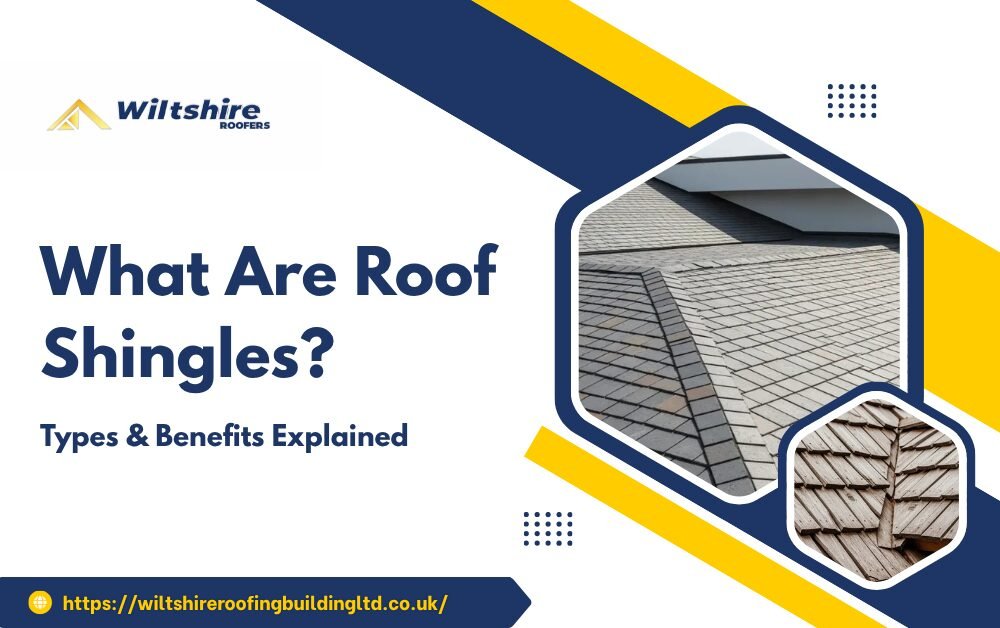
Roof shingles are the most important layer of your roofing system. They sit on top of your roof, overlap each other, and work together to keep rain, wind, heat, and moisture out of your home. Without quality shingles, even the strongest roof structure cannot protect your home the way it should. Choosing the right roof shingles is one of the biggest decisions a homeowner can make.
Whether you are installing a new roof, planning a full roof replacement, or researching roof shingle types for the first time, with insights from the best roofers in Trowbridge, this complete guide covers everything you need to know: what roof shingles are, how they work, the best types available, what they cost, and how to choose the right roof shingles for your home.
What Are Roof Shingles?
Roof shingles are individual, flat or slightly curved overlapping elements that are laid in rows from the bottom edge of a roof upward to the ridge. Each shingle overlaps the one below it, creating a continuous, water shedding surface that channels rain and snowmelt away from the roof deck and the structure beneath.
The word “shingle” traces back centuries to the Latin scindula, referring to a thin piece of wood split from a log. The UK roofing market is becoming more diverse, with slate tiles, clay tiles, metal shingle roof options, and synthetic shingles gaining popularity as homeowners increasingly focus on durability, weather resistance, and long term sustainability. Fundamentally, roof shingles serve three core purposes: weather protection, structural support for the roofing system, and aesthetic appeal. A well chosen shingle does all three simultaneously.
How Do Roof Shingles Work?
Shingles do not work alone, they are one layer in a carefully engineered roofing system designed to manage water, heat, and structural stress, which is why proper installation and maintenance matter so much. The system begins with the roof deck (plywood or OSB), topped by a waterproof underlayment and an ice and water shield in vulnerable areas, before the shingles are applied as the outer protective layer. Each row of shingles overlaps the one below it, hiding nails and directing rainwater downward through every layer until it safely reaches the gutters, while adhesive strips seal the shingles together when activated by sunlight to resist strong winds. Heat performance varies by material, with modern cool roof shingles reflecting sunlight to reduce attic temperatures, and the whole system works best when ridge and soffit vents allow hot, moist air to escape, preventing heat buildup, premature shingle aging, and ice dam formation in colder climates.
Types of Roof Shingles
The type of shingle you choose will define your roof’s appearance, performance, maintenance demands, and total cost over decades. Here is an in depth look at every major type of shingle.
Asphalt 3-Tab Shingles
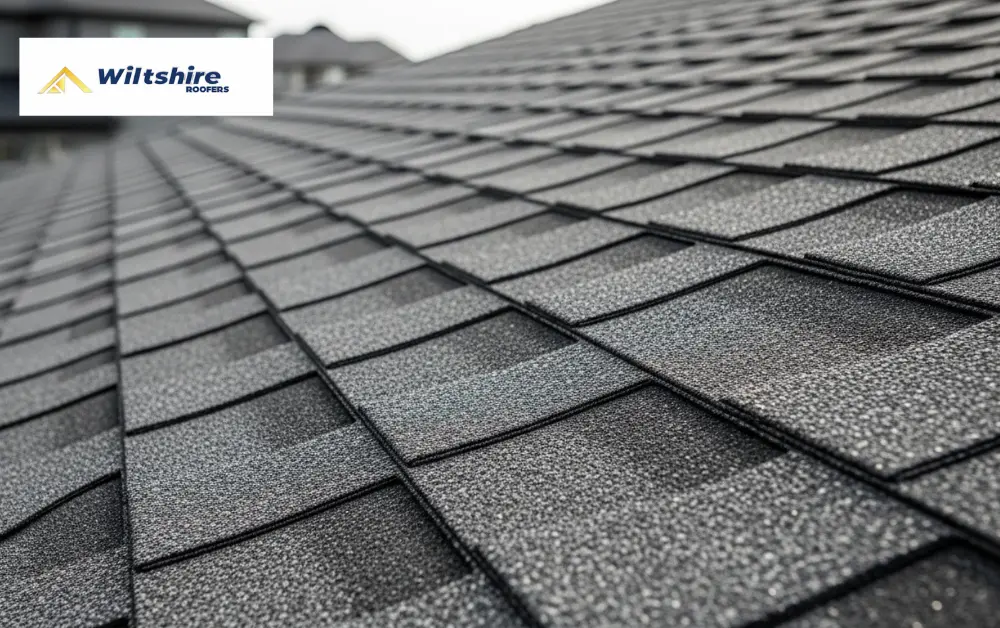
The most economical and widely installed shingle in the market. Made from a fiberglass mat coated with asphalt and mineral granules, 3-tab shingles have three uniform cutouts that give them a flat, uniform appearance. They are lightweight and easy to install, making them the go to for budget conscious projects.
Lifespan:
Asphalt 3-Tab Shingles typically last between 15–25 years, making them the shortest lived of the asphalt shingle options. Their lightweight build can be more vulnerable to the strong winds and heavy rainfall, so regular inspections are recommended to maintain their condition.
Cost:
Prices of Asphalt 3-Tab Shingles generally range from £20–£60 per square metre, with full installation typically costing between £2,500–£7,000 depending on roof size and installer. They remain the most budget friendly shingle option, making them a practical choice for those seeking an affordable roofing solution.
Pros of Asphalt 3-Tab Shingles:
- Affordable and budget friendly
- Lightweight and easy to install
- Quick to replace when damaged
- Widely available for residential roofs
Cons of Asphalt 3 Tab Shingles:
- Shorter lifespan than premium materials
- Poor wind resistance in extreme weather
- Basic, limited visual appeal
- Less durable under harsh conditions
- Requires frequent maintenance
Architectural (Dimensional) Shingles
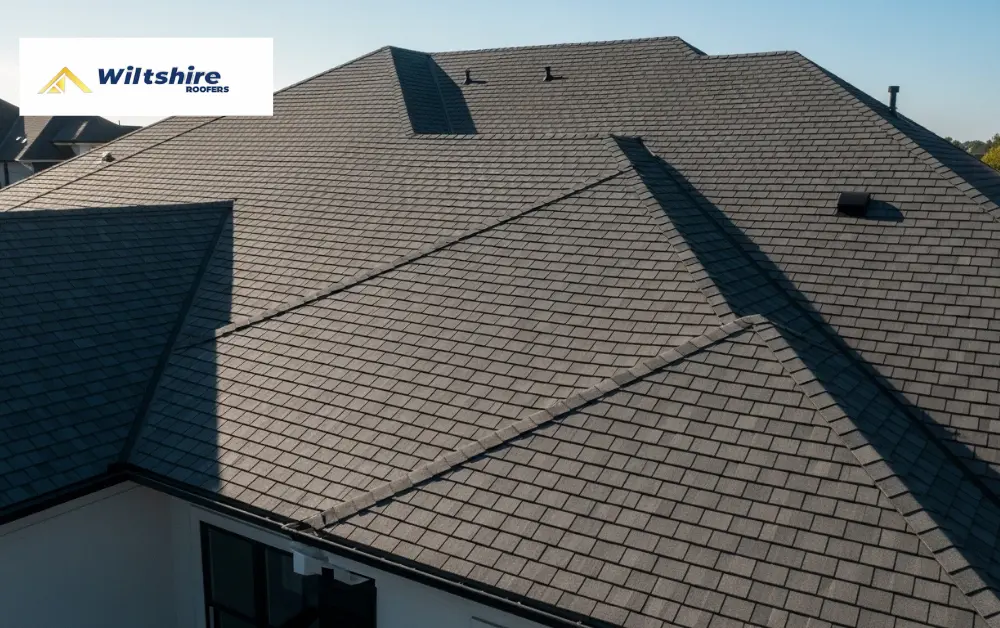
The most popular shingle type in 2026. Architectural shingles are thicker than 3 tab, with a layered construction that creates a dimensional, textured look mimicking the appearance of wood shake or slate. They offer significantly better wind resistance (up to 130 mph) and a longer warranty than standard 3 tab shingles.
Lifespan:
Architectural Shingles typically last between 25–30 years, offering a longer service life than standard 3 tab shingles. Their multi layered design holds up well against the rain and wind, with routine maintenance helping to extend their overall lifespan.
Cost:
Architectural Shingles prices generally range from £40–£120 per square meter, with full installation typically costing between £3,500–£10,000 depending on roof size, brand, and installer. They offer a solid balance between affordability and durability, making them a popular mid range choice.
Pros of Architectural (Dimensional) Shingles:
- Longer lifespan than standard 3 tab shingles
- Stronger wind and weather resistance
- Thicker, layered and premium appearance
- Better durability and leak protection
- Increases property value and curb appeal
- Low maintenance
Cons of Architectural (Dimensional) Shingles:
- Higher cost than standard 3 tab shingles
- Heavier, may require stronger roof structure
- Needs professional installation
- Less durable than slate or metal
- Slightly costlier to repair
Luxury / Premium Asphalt Shingles
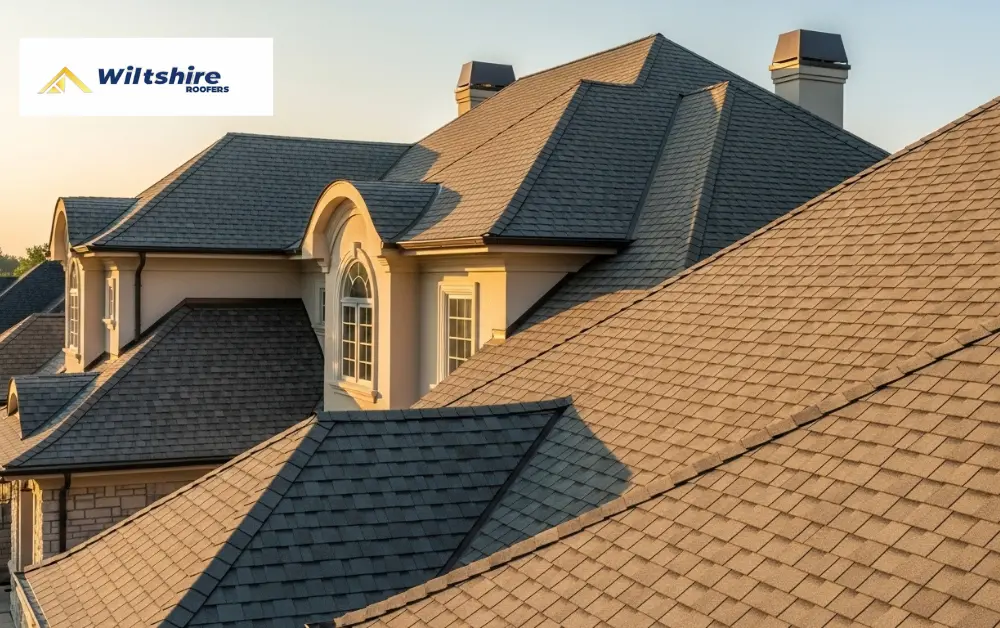
The pinnacle of asphalt shingle engineering. Luxury shingles are large format, multi layered products that authentically replicate the look of slate or cedar shake at a fraction of the cost and weight. They carry some of the highest impact ratings in the industry and often come with lifetime limited warranties.
Lifespan:
Luxury / Premium Asphalt Shingles typically last between 30–50 years, significantly longer than standard asphalt options. Their thicker build handles the wet and windy climate well, with occasional maintenance keeping them in good condition.
Cost:
Luxury / Premium Asphalt Shingles prices range from £80–£180 per square metre, with full installation costing between £5,000–£14,000. Their enhanced durability and premium appearance make them a worthwhile upgrade over standard shingles.
Pros of Luxury / Premium Asphalt Shingles:
- High end appearance mimicking slate or wood
- Excellent durability and long lifespan
- Superior wind, rain, and impact resistance
- Boosts curb appeal and property value
- Enhanced protection with better thickness
- Wide range of styles and colors
Cons of Luxury / Premium Asphalt Shingles:
- Higher upfront cost than standard shingles
- Heavier, may need stronger roof structure
- Expensive and complex installation
- Less durable than natural slate or metal
- Costly repairs and replacements
Metal Shingles
Stamped or formed from steel, aluminum, copper, or zinc, metal shingles offer an extraordinary combination of durability, lightweight profile, and energy efficiency. Modern metal shingles are designed to interlock, providing exceptional wind uplift resistance. They are increasingly popular in regions prone to wildfires, hail, and high winds.
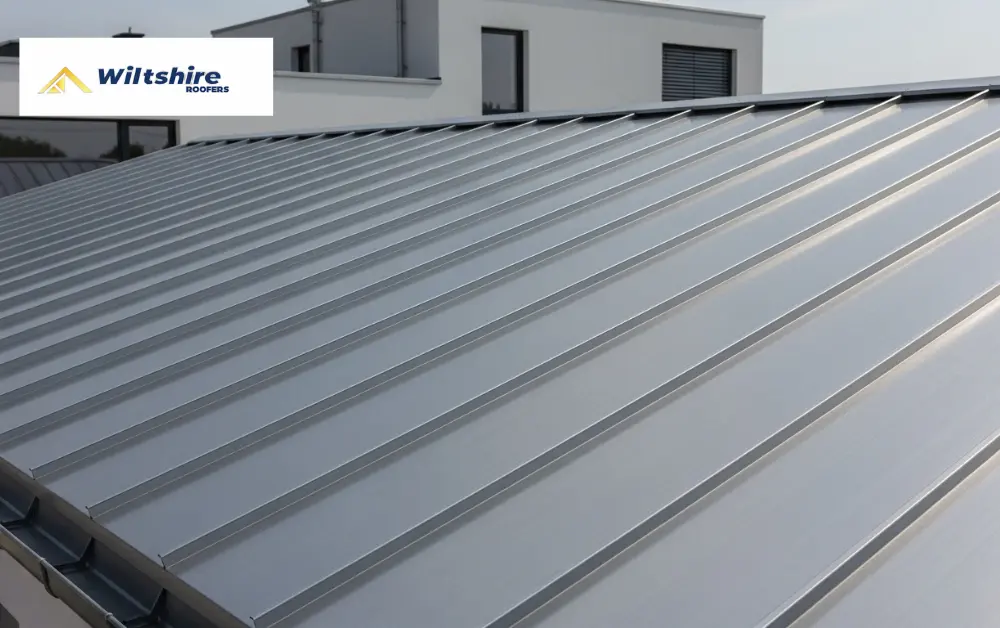
Lifespan:
Metal Shingles last between 40–70 years, making them one of the more durable roofing options available. Their strong composition handles the frequent rain, wind, and temperature changes well, with minimal maintenance needed throughout their service life.
Cost:
Metal Shingles generally range from £60–£200 per square meter, with a full roof installation typically falling between £5,000–£18,000 depending on the metal type, roof size, and installer. Steel is the more budget friendly option, while copper and zinc sit at the premium end of the price range.
Pros of Metal Shingles:
- Excellent resistance to wind, rain, snow, and fire
- Lightweight yet highly durable
- Energy efficient, reflects sunlight
- Low maintenance
- Eco friendly and recyclable
- Suits modern and traditional designs
Cons of Metal Shingles:
- Higher upfront cost than asphalt shingles
- Can be noisy without proper insulation
- Requires professional installation
- May dent under severe impact
- Color or finish may fade over time
- Not suited for every style or budget
Natural Slate Shingles
Quarried from natural rock, slate shingles are the gold standard of longevity. A properly installed slate roof can outlast the building it covers. Slate is naturally fire resistant, pest resistant, and requires virtually no maintenance. Its timeless elegance makes it the premium choice for high end historic and custom homes.
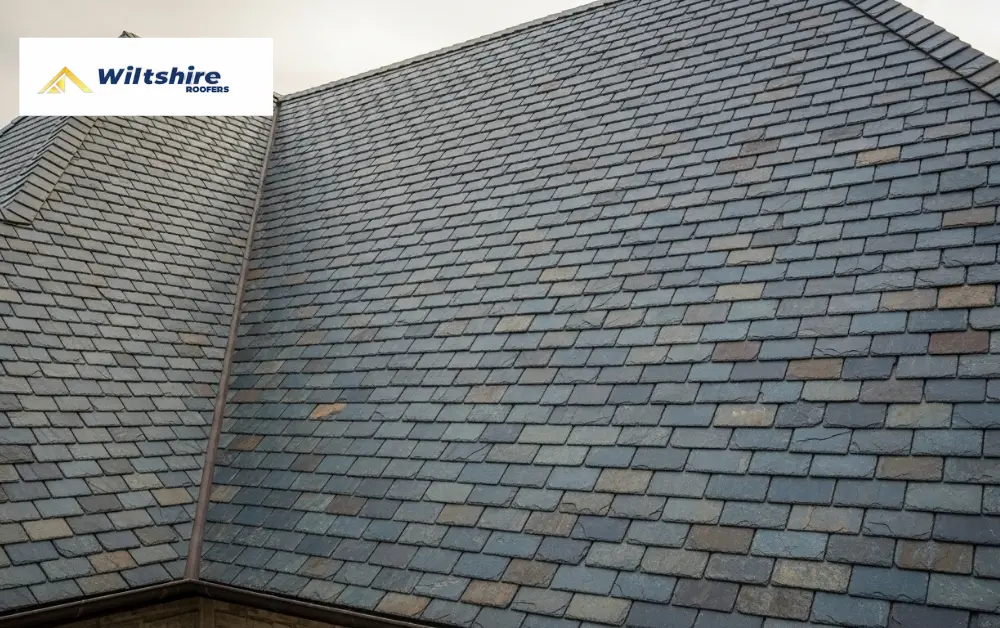
Lifespan:
Natural Slate Shingles are one of the most long lasting roofing materials, typically enduring between 75–150 years with proper care. Their dense composition handles the harsh weather exceptionally well, making them a worthwhile long term investment.
Cost:
In the UK, prices typically range from £50–£200 per square metre, with full installation costing between £6,000–£20,000. Welsh slate is the premium choice, while imported slate offers a more affordable alternative.
Pros of Natural Slate Shingles:
- Highly durable and resistant to fire, water, and extreme weather
- Premium, elegant appearance that enhances property value
- Environmentally friendly and made from natural stone
- Excellent resistance to mold, rot, and insects
- Strong long term investment for high end properties
Cons of Natural Slate Shingles:
- Very high upfront cost
- Heavy, needs strong roof structure
- Expensive and complex installation
- Fragile, can crack during handling
- Limited availability in some regions
- Costly and difficult to repair
Clay & Concrete Tile Shingles
Iconic in Mediterranean, Spanish Colonial, and Southwestern architecture, clay and concrete tiles are extremely durable and naturally fire resistant. Clay tiles are slightly lighter than concrete and more resistant to color fade, while concrete tiles offer more profile variety at a lower price. Both perform exceptionally in hot, dry climates.
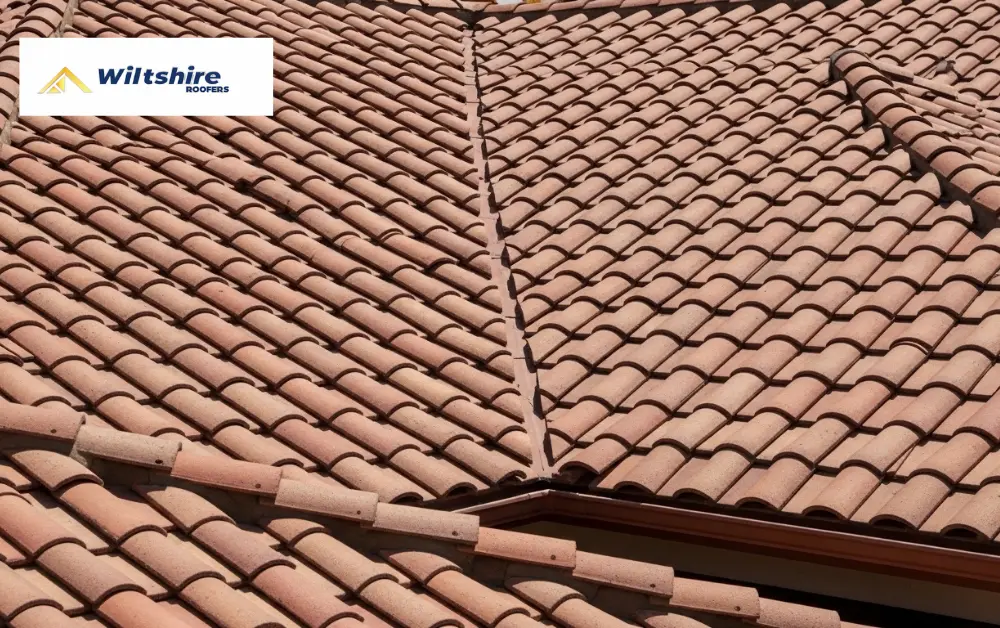
Lifespan:
Clay & Concrete Tile Shingles typically last between 40–100 years, making them one of the most durable roofing options available. They handle the wet and variable climate well, though occasional inspections help catch any cracked or loose tiles early.
Cost:
Prices of Clay & Concrete Tile shingles generally range from £30–£120 per square metre, with full installation costing between £4,000–£15,000. Concrete tiles are the more affordable choice, while clay tiles cost more but offer greater longevity and a superior finish.
Pros of Clay & Concrete Tile Shingles:
- Exceptionally long lifespan of 40–100 years
- Highly durable against wind, rain, and frost
- Adds a classic and elegant appearance
- Increases property value and curb appeal
- Fire and rot resistant by nature
Cons of Clay & Concrete Tile Shingles:
- Heavy weight requires a reinforced roof structure
- Higher installation cost due to complexity
- Fragile under strong impact, tiles can crack
- Limited style options compared to modern materials
- Repairs can be tricky due to colour matching issues
- Not suitable for low pitched roofs
Wood Shake Shingles
Typically made from cedar, redwood, or pine, wood shake shingles provide a natural, rustic appearance that is difficult to replicate synthetically. They offer good insulation values and improve with age, developing a distinguished silver gray patina. However, they require regular maintenance and are prohibited by fire codes in some jurisdictions.
Lifespan:
Wood Shake Shingles generally hold up for around 20–40 years, though this largely depends on the wood type, how well they are fitted, and how much exposure they face to the elements. In the damp and rainy climate, consistent upkeep is essential to get the most out of their natural lifespan.
Cost:
Wood Shake Shingles are typically priced between £60–£180 per square metre, with a complete roof fitting usually falling somewhere between £5,000–£15,000. Given their tendency to absorb moisture, investing in treated wood and a skilled installer is strongly recommended for lasting results.
Pros of Wood Shake Shingles:
- Naturally beautiful and rustic appearance
- Good thermal insulation properties
- Eco friendly and biodegradable material
- Lightweight and easy to work with
Cons of Wood Shake Shingles:
- High maintenance required
- Fire risk without proper treatment
- Susceptible to mold and rot
- Shorter lifespan without regular care
Synthetic / Composite Shingles
One of the fastest growing shingle categories . Synthetic shingles are manufactured from engineered polymers, rubber, or composite materials that precisely replicate the appearance of slate, cedar, or tile with none of the weight, fragility, or maintenance demands. They are highly resistant to impact, UV, and moisture, often achieving Class 4 impact ratings.
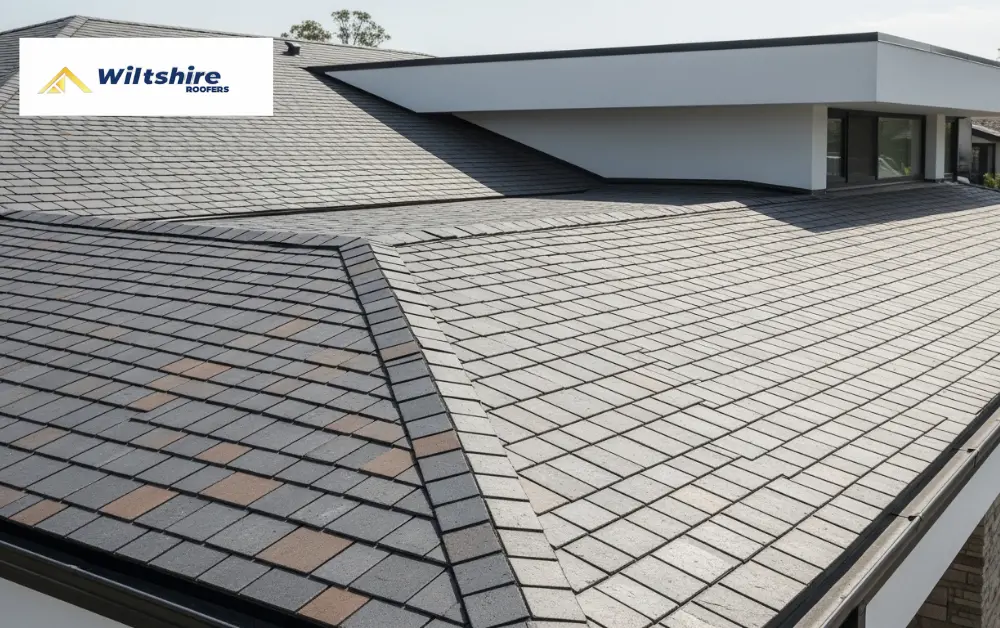
Lifespan:
Synthetic / Composite Shingles generally last between 30–50 years, depending on the brand, installation quality, and local weather conditions. Their durable build handles the wet and windy climate well, with routine maintenance helping to extend their service life.
Cost:
In the UK, expect to pay around £50–£150 per square meter, with full installation typically ranging from £4,000–£12,000. Costs vary based on roof size and brand, so choosing a reputable manufacturer ensures the best long term value.
Pros of Synthetic / Composite Shingles:
- Premium and realistic appearance
- Lighter weight than natural materials
- Class 4 impact resistance rating
- Long lasting and highly durable
- Available in a variety of styles and colors
Cons of Synthetic / Composite Shingles:
- Relatively newer with limited track record
- Higher upfront cost than basic shingles
- Quality varies significantly by brand
- May not suit all architectural styles
- Long term performance still being proven
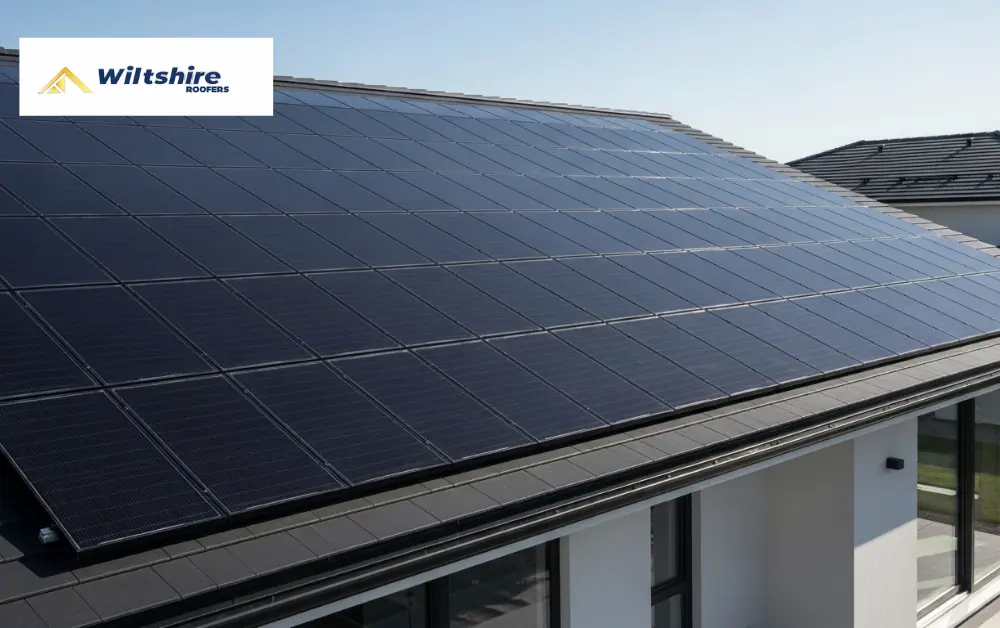
Solar Shingles
The most technologically advanced option on the market, solar shingles (photovoltaic shingles) function as both a roofing material and a solar energy generator. Brands like Tesla Solar Roof and GAF Energy Timberline Solar have refined the technology significantly by 2026. They are ideal for homeowners looking to offset energy bills and reduce their carbon footprint simultaneously.
Lifespan:
Solar shingles have a lifespan of 25–30 years, though this can vary depending on the brand, installation quality, and weather conditions. Given the frequent rain, wind, and limited sunlight, regular maintenance can help extend their performance life
Cost:
Solar shingles typically cost around £400–£900 per square metre, with a full installation ranging from £5,000–£20,000+ depending on roof size, brand, and installer. However, they are still relatively rare in the UK market compared to traditional solar panels, which remain the more common and cost effective choice.
Pros of Solar Shingles:
- Generates renewable solar energy at home
- Sleek, integrated look blending with the roof
- Reduces electricity bills over time
- Increases property value
- Eco friendly and sustainable option
Cons of Solar Shingles:
- Very high upfront installation cost
- Limited availability and fewer installers
- Less efficient than traditional solar panels
- Not suitable for all roof types or climates
- Repairs and replacements can be complex
- Long payback period on initial investment
Benefits of Roof Shingles
Shingles remain the dominant roofing choice worldwide due to their unmatched combination of versatility, performance, and value. Engineered to withstand extreme weather, modern shingles resist wind speeds of 110–150+ mph and impact resistant options handle hailstones up to 2 inches without cracking. No other roofing material matches the variety of styles and colors available, suiting everything from traditional cottages to modern builds. They accommodate virtually every budget, from affordable 3 tab asphalt to premium slate or solar options, while cool roof shingles can reduce cooling costs by 10–15% annually by reflecting up to 25–40% of solar heat. Individual damaged shingles can be replaced in under an hour, keeping long term maintenance costs low, and a new shingle roof consistently recoups 60–70% of its cost at resale, making it one of the smartest home improvements available.
Shingles vs. Other Roofing Materials
| Feature | Asphalt Shingles | Metal Panels | Clay Tile | Natural Slate | Flat Membrane |
| Lifespan | 15–50 yrs | 40–70 yrs | 50–100 yrs | 75–150 yrs | 15–30 yrs |
| Cost per Square | £30–£90 | £70–£140 | £55–£120 | £90–£200+ | £40–£100 |
| Weight | Light–Medium | Very Light | Very Heavy | Very Heavy | Light |
| Maintenance | Low–Moderate | Very Low | Low | Very Low | Moderate |
| Energy Efficiency | Good | Excellent | Good | Good | Good |
| Best For | Most styles | Modern/fire zones | Mediterranean | Historic/premium | Low slope only |
| DIY-Friendly | Moderate | No | No | No | Moderate |
Maintenance Tips for Roof Shingles
Regular maintenance is essential to maximize the lifespan of your roof shingles and prevent costly repairs. A well maintained roof performs better and lasts significantly longer.
- Inspect your roof at least twice a year for visible damage
- Keep gutters clean to prevent water buildup
- Remove moss, algae, and debris promptly
- Replace damaged or missing shingles as soon as possible
- Ensure proper attic ventilation to reduce heat and moisture
Consistent upkeep can extend your roof’s lifespan by several years and maintain its overall performance.
How to Choose the Right Shingle for your roof
With so many options available, the right shingle for your home comes down to a structured decision process. Work through these factors in order and your choice will become clear.
- Climate: Select materials suited to rain, wind, or temperature changes.
- Budget: Look beyond upfront cost and consider long term value.
- Roof Structure: Heavier materials like slate may need additional support.
- Style: Choose a design that complements your property.
- Warranty: Always review product and workmanship guarantees.
When to Call Professional Roofers in Wiltshire
It’s important to contact experienced roofing contractors in Trowbridge, as soon as you notice signs of damage or wear. Early action can prevent minor issues from turning into major repairs.
Call a roofer if you notice:
- Water leaks or ceiling stains
- Missing, cracked, or curling shingles
- Sagging areas on the roof
- Unexplained increases in energy bills
If you’re based in Trowbridge or the surrounding area, working with an experienced local contractor ensures your roof is assessed and repaired correctly. Wiltshire Roofing & Building provides reliable roofing services in Trowbridge focused on quality workmanship and long term results.
Expert advice from your local Trowbridge roofing professionals. Contact us and let us help you make the smartest roofing decision for your home and budget.
Conclusion
A well built roof is one of the most critical investments you can make for your home, and the shingles you choose play a central role in its performance and longevity. Today’s market offers an unprecedented range of options, ensuring every homeowner can find the right fit for their climate, budget, and long term goals. The key is making an informed choice, understanding the differences between shingle types, and budgeting for total cost of ownership rather than just upfront price. Maintain your roof consistently and never hesitate to call a professional when needed. A well chosen, well maintained roof will protect your home for decades while enhancing its beauty, energy efficiency, and market value.
FAQS
Can I install shingles over existing ones?
In some cases yes, but most professionals recommend removing old shingles first to inspect the deck, ensure proper installation, and avoid added weight on the structure.
How do I know when my shingles need replacing?
Look for missing, cracked, or curling shingles, granule buildup in gutters, water stains on ceilings, or shingles that are approaching the end of their rated lifespan.
Do shingles affect my home’s energy efficiency?
Yes, cool roof asphalt shingles can reflect up to 25–40% of solar heat, reducing attic temperatures and lowering cooling costs by up to 10–15% annually.
