

Repointing is one of the most common repairs homeowners across Wiltshire need to carry out, yet it’s also one of the most misunderstood when it comes to pricing. With material costs, labour rates and property types all playing a role, the final bill can vary significantly from one job to the next.
This guide breaks down how much does repointing costs in the UK in 2026, costs by property type, costs by area or section, what affects the price, and how to make sure you’re getting a fair, accurate quote.
What is Repointing?
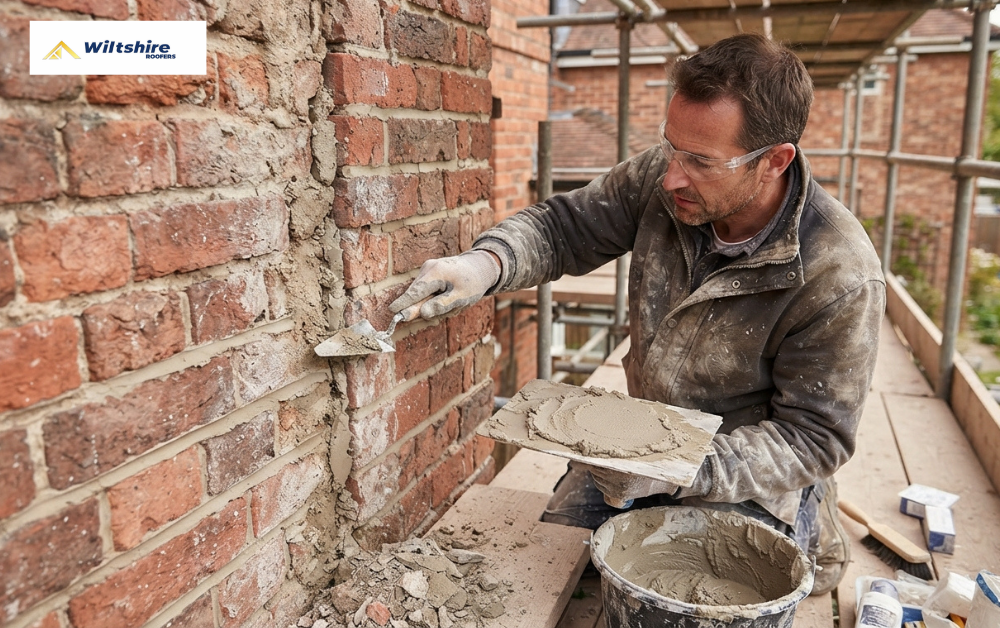
Repointing is the process of renewing the external part of mortar joints in brickwork or stonework. Over time, mortar naturally wears down from weather exposure, moisture, and general ageing, leaving joints crumbly, cracked, or missing altogether. Repointing involves removing the damaged mortar and replacing it with fresh material, restoring both the structural integrity and appearance of a wall or chimney.
Left unaddressed, deteriorating mortar can let water penetrate the brickwork, leading to damp, structural weakening, and more costly repairs down the line.
Average Repointing Costs in 2026
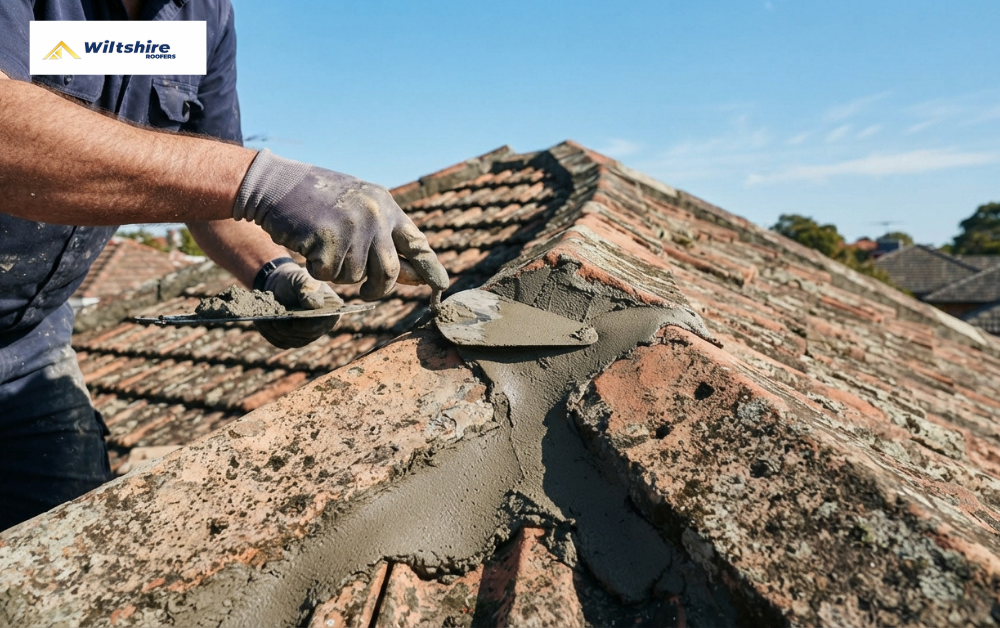
Repointing costs in the UK typically range from £40 to £70 per square metre, though this varies by scope of work, mortar type, and property specifics. Older properties with lime mortar, hard-to-reach elevations, or extensive damage tend to sit at the higher end of this range, while smaller jobs using standard cement-based mortar on easily accessible walls often cost less. Labour charges also differ by region, with prices in London and the South East usually running higher than in other parts of the UK. Scaffolding, access equipment, and the condition of the existing brickwork can add further costs, so it is always worth getting a written quote before work begins.
Here is a rough breakdown to give a clearer picture of how much repointing costs per m2 depending on the job:
| Job Type | Cost per m² | Typical Total Cost |
|---|---|---|
| Small area repointing (patch repair) | £40 to £50 | £150 to £400 |
| Full wall repointing (standard mortar) | £45 to £60 | £800 to £2,500 |
| Full house repointing (standard mortar) | £45 to £65 | £3,000 to £6,000 |
| Lime mortar repointing | £55 to £70 | £3,500 to £7,500 |
| Chimney repointing | £50 to £70 | £300 to £700 |
Cost of repointing by Property Type
- Terraced house: £800 to £1,500 for full repointing
- Semi-detached house: £1,200 to £2,200
- Detached house: £1,800 to £3,500
- Chimney stack only: £300 to £600
Cost of Repointing by Area or Section
The cost of repointing a house also depends heavily on how much of the property needs work, rather than just its overall size:
- Chimney stack repointing: £300 to £600
- Single wall or gable end: £400 to £900
These figures are general guides. For an accurate estimate for your property in Trowbridge or the wider Wiltshire area, we recommend a site visit and inspection. If your chimney is showing signs of wear, take a look at our dedicated guide to chimney stack repointing for a closer breakdown.
Factors That Affect Repointing Cost
Several variables determine the final cost of a repointing project:
Property Size and Height
Larger and taller properties naturally require more materials and labour hours. Buildings with multiple storeys often need scaffolding to safely reach upper walls and chimneys, which adds both equipment hire costs and additional labour time to the overall project.
Type of Mortar Used
The mortar chosen for the job directly affects the price. Lime mortar generally costs more than standard cement mortar, partly because the material itself is pricier and partly because it requires more skill and time to apply correctly, especially on older or listed buildings.
Extent of Damage
The scale of repair work needed plays a big role in the final figure. Minor joint repairs or patch repointing in a small area will cost far less than a full repoint covering an entire property, where every joint across the walls needs attention.
Accessibility
Restricted access, shared walls with neighbouring properties, or awkward angles around bay windows and extensions can all slow down the work. The more difficult it is for tradespeople to reach the area, the more labour time and sometimes specialist equipment is needed.
Location
Regional labour rates vary across the UK, and local demand can influence pricing too. In Wiltshire specifically, rates may differ from nearby regions depending on how many roofing contractors are available and how busy the local trade is at the time.
Contractor Experience
Established, accredited contractors with years of experience often charge more, but this generally reflects their expertise and reduces the risk of poor workmanship, rework, or later damage to the property.
Brick or Stone Type
The materials used in the property’s construction also matter. Older or listed properties often require specialist bricks, stone, or techniques to match the existing structure, which can push costs higher compared to standard modern brickwork.
Most repointing cost estimates exclude VAT. When hiring a tradesperson or company, confirm whether they add VAT. Including VAT can increase the total cost by 20%, so always check invoices before starting work.
Lime Mortar vs Cement Mortar: Cost Comparison
The choice of mortar directly affects cost and suitability.
Lime mortar is breathable and flexible, making it the preferred choice for older, period and listed properties. It allows moisture to escape naturally, reducing the risk of trapped damp. Lime mortar typically costs more because it cures more slowly and requires specialist application skills.
Cement mortar is harder, more rigid and generally less expensive. It suits modern brick properties but is not recommended for older buildings, as it can trap moisture and cause long-term damage to softer, historic brickwork.
For period properties common across Wiltshire and the Cotswolds region, lime mortar is usually the more appropriate and durable long-term choice, even at a higher upfront cost.
| Factor | Lime Mortar | Cement Mortar |
|---|---|---|
| Cost per m² | £55 to £70 | £40 to £55 |
| Breathability | High, allows moisture to escape | Low, can trap moisture |
| Flexibility | Flexible, moves with the building | Rigid, prone to cracking on old walls |
| Best suited for | Period, older and listed properties | Modern brick properties |
| Curing time | Slower, requires specialist skill | Faster, easier to apply |
| Long-term risk on old brickwork | Low | High, can damage soft historic brick |
Signs Your Property Needs Repointing
Recognizing the early warning signs can help you address repointing needs before they become more expensive problems:
- Crumbling, flaking or missing mortar between bricks
- Visible cracks running along the joints
- Damp patches appearing on interior walls
- Loose or shifting bricks
- Vegetation, moss or weeds growing within the mortar joints
- Water pooling or staining near brickwork after rain
If you notice any of these signs, it’s worth arranging an inspection before the damage spreads further.
Case Study: A Recent Repointing Job in Corsham
At Wiltshire Roofing & Building Ltd, we recently carried out a repointing job in Corsham, where the homeowner noticed cracking around the mortar joints but didn’t think it needed urgent attention. When our team arrived to inspect the property, it became clear the problem ran deeper than it first appeared; moisture had already worked its way into the joints, and the damage extended well beyond the area the homeowner had originally flagged.
What started as a minor patch job turned into a larger repointing project once we assessed the full extent. Cases like this remind us that mortar damage isn’t always visible on the surface, and an early inspection can catch problems before they spread and become more costly to fix.
Noticed similar signs on your property? Contact us now for a free, no-obligation inspection before small damage turns into a bigger repair bill.
Ways to Reduce Repointing Costs
- Carry out regular maintenance to catch minor mortar damage before it spreads across the property
- Bundle repointing with other roofing or building work to reduce overall labour and scaffolding costs
- Book during off-peak seasons when contractor demand is lower
- Address small repairs promptly rather than waiting for a full repoint to become necessary
At Wiltshire Roofing & Building Ltd, we have over 30 years of experience providing repointing services across Trowbridge and nearby areas, from period homes that need specialist lime mortar to modern builds that need standard repairs. Our fully insured team provides free, no-obligation quotes, uses the correct mortar type for your property’s age and construction, and stands behind every job with a clear guarantee
Get in touch today for an accurate, honest repointing quote tailored to your property.
Conclusion
Repointing is one of those repairs that’s easy to put off, but the longer you leave minor mortar damage unaddressed, the more it tends to cost in the long run. Whether you’re dealing with a small patch of crumbling joints or planning a full house repoint, understanding the factors that affect price, from mortar type to property size and accessibility, puts you in a much stronger position when comparing quotes.
If you’re in Trowbridge, Corsham, or anywhere across Wiltshire and have noticed any of the warning signs covered in this guide, it’s worth getting an inspection sooner rather than later. At Wiltshire Roofing & Building Ltd, we’re happy to take a look and give you an honest, no-obligation quote based on exactly what your property needs.
FAQs
How long does repointing last?
Well-executed repointing typically lasts 25 to 30 years for lime mortar and slightly longer for cement mortar, depending on weather exposure and property maintenance.
How long does a repointing job take?
Most standard repointing projects take 2 to 5 days, depending on property size and weather conditions.
Do older properties cost more to repoint?
Older homes often need lime-based mortar and more careful brickwork, which increases labour and material costs. Victorian or historic properties can be harder to access, requiring scaffolding and skilled bricklayers, which can increase overall repointing costs.
