


A leaking gutter joint is one of the most common roofline issues on UK homes. Water dripping from gutter connections during rain usually means the seal has worn out, debris has built up, or the gutter sections have shifted slightly out of place. Left unresolved, even a small leak can cause damp patches on exterior walls, stained brickwork, and water collecting near the building’s foundation.
Most homeowners can solve the problem by fixing a leaking gutter joint rather than replacing the entire gutter system. The key is identifying the reason the gutter joint leaking has developed and applying the correct repair, whether that involves cleaning the joint, resealing it, or replacing a worn component.
For homeowners in Wiltshire, consulting trusted roofing contractors in Trowbridge can help ensure that gutter repairs are done safely and effectively, especially on multi-storey properties.
This article explains how to diagnose and repair leaking gutter joint problems step by step and how to prevent future leaks.
Why Gutter Joints Start Leaking
Gutter joints are the connection points where two gutter sections meet. They rely on rubber seals or compression clips to keep rainwater contained as it flows toward the downpipe.
Over time, several issues can cause leaking gutter joints to develop.
Common Causes of Gutter Joint Leaks
Worn rubber seals
Most modern UK gutter systems use rubber gaskets inside the joint connector. Exposure to rain, sunlight, and temperature changes eventually causes these seals to shrink or crack, leading to a gutter leaking at joint.
Debris buildup
Leaves, moss, and roof grit can block the flow of water. When water cannot drain properly, pressure builds up and forces water through weak points in the connection.
Thermal expansion
Plastic gutters expand during warmer weather and contract during colder months. Over time, this movement can loosen joints and cause the gutter joint leaking problem to appear.
Poor installation
If the gutter section was not clipped properly into the connector during installation, the seal may not compress correctly, which can lead to a leaking gutter joint during heavy rain.
Understanding the cause helps determine the best approach for repairing gutter leaks.
Tools and Materials Needed to Fix Leaking Gutter Joint
Most gutter repairs are straightforward and require only a few basic tools.
Tools
- Stable ladder
- Protective gloves
- Cleaning brush or cloth
- Small bucket for debris
- Screwdriver or gutter tool
Materials
- Replacement rubber gutter seal
- Exterior-grade gutter sealant
- Replacement union connector if needed
- Silicone lubricant for seals
These items are usually enough for repair leaking gutter joint work on most standard UK gutter systems.
How to Fix a Leaking Gutter Joint: Steps to follow
Step 1: Clean the Gutter Joint
The first step in fixing a leaking gutter joint is removing debris. Clear leaves, moss, and dirt from the surrounding gutter area. When gutters are blocked, water backs up and escapes through the joints.
Once the debris is removed, rinse the gutter with water to see whether the leaking gutter joint continues.
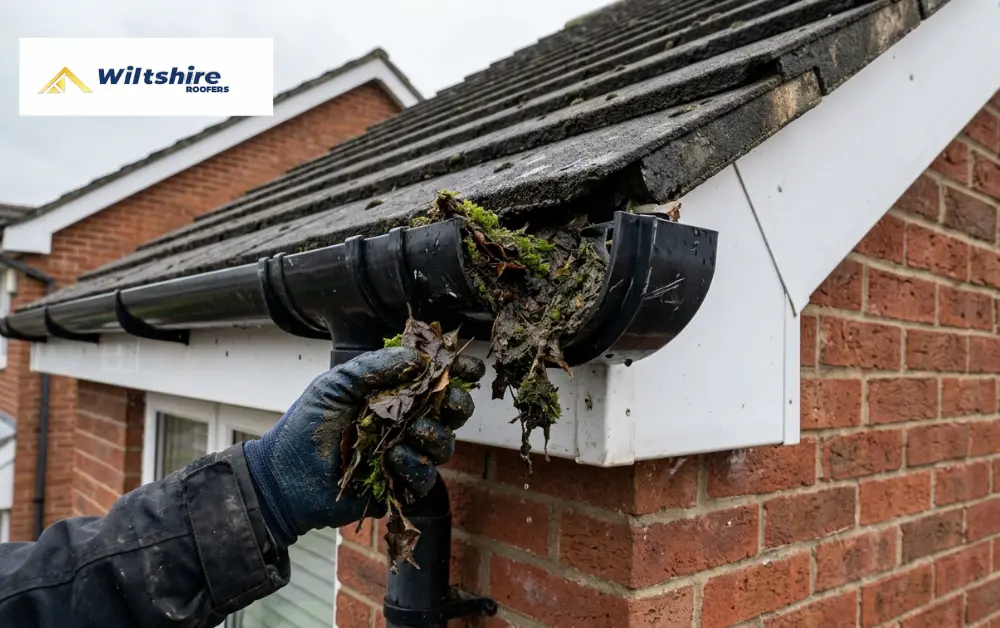
If the leak disappears after cleaning, the issue was likely caused by restricted water flow rather than a faulty joint.
Step 2: Check the Gutter Alignment
Misaligned gutters can place stress on connectors and seals.
Stand back and inspect the length of the gutter to ensure it slopes gently toward the downpipe. If one section has dropped, it may pull away from the connector and create a gutter leaking at joint problem.
Tighten any loose brackets and reposition the gutter so it sits securely within the joint connector.
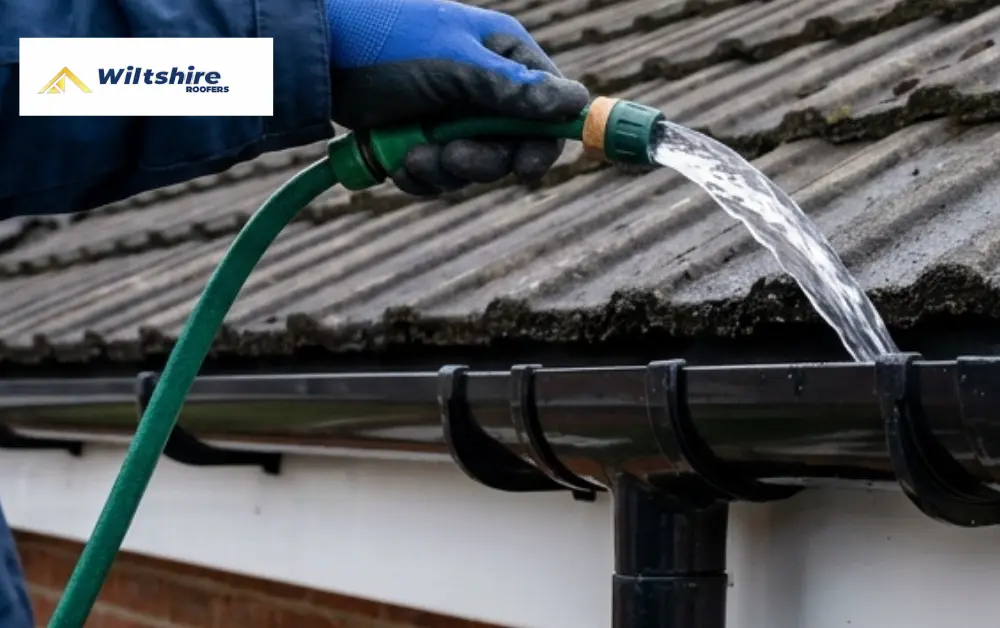
Correct alignment helps prevent further repairing gutter leaks in the future.
Step 3: Inspect the Rubber Seal
Most leaking gutter joints occur because the internal rubber gasket has deteriorated. Open the gutter joint clip and carefully separate the sections. Check the seal for:
- Cracks
- Hardening
- Flattening
- Missing edges
If the gasket appears damaged, replace it with a new seal designed for your gutter system.
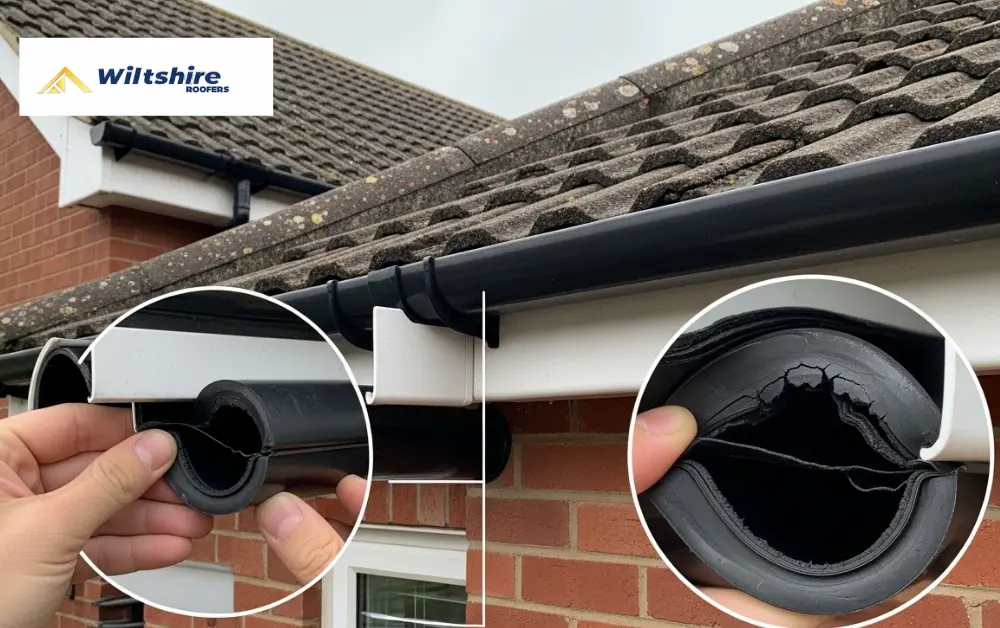
A fresh seal often solves the gutter joint leaking problem immediately.
Step 4: Apply Gutter Sealant
If the rubber gasket still appears flexible but minor gaps remain, applying sealant can help reinforce the connection.
Clean the area thoroughly and allow it to dry. Then apply a thin layer of exterior gutter sealant along the inside of the connector before reassembling the gutter sections.
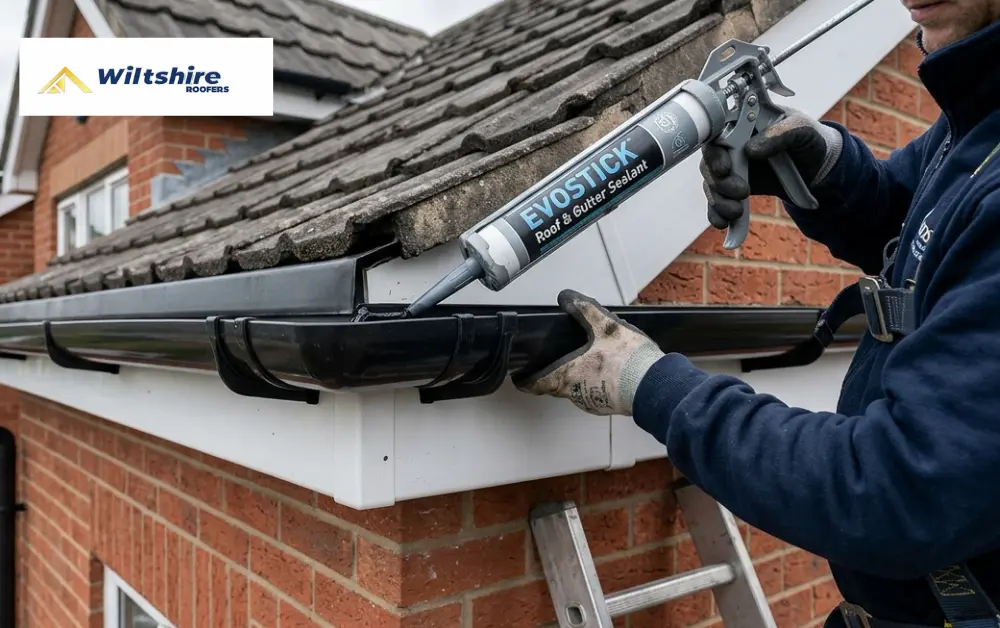
This approach can be effective when repairing gutter leaks caused by small imperfections in the seal.
Step 5: Replace the Joint Connector if Necessary
Sometimes the connector itself becomes cracked or warped due to long-term exposure to weather. When this happens, the best solution is replacing the connector entirely.
Remove the old joint and install a new union connector that matches the existing gutter system. This method provides the most reliable way to repair leaking gutter joint issues caused by damaged fittings.
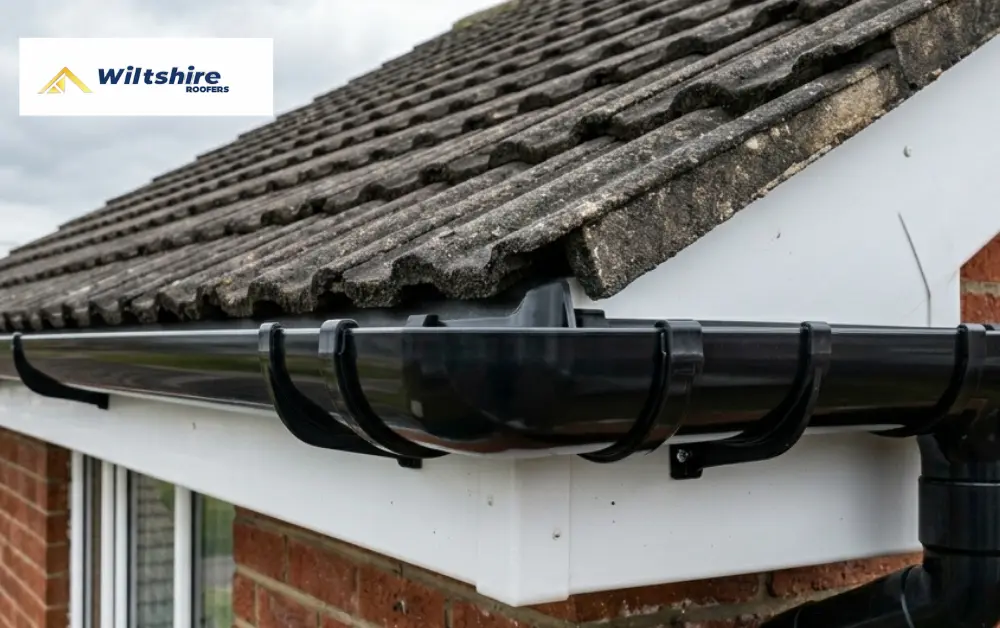
Most UK plastic gutter systems use clip-in connectors, making replacement relatively simple.
Preventing Future Gutter Joint Leaks
Regular maintenance helps reduce the risk of future problems.
Simple preventative steps include:
- Cleaning gutters twice a year
- Removing leaves and moss regularly
- Checking joints after storms
- Inspecting rubber seals for wear
- Ensuring gutters slope correctly toward the downpipe
These small maintenance tasks significantly reduce the chances of dealing with another leaking gutter joint.
When Larger Repairs May Be Needed
If leaks occur in several locations, the gutter system itself may be reaching the end of its lifespan.
Older plastic gutters can become brittle and less flexible, which leads to recurring joint failures. In such cases, replacing multiple sections of guttering may be more practical than repeatedly repairing gutter leaks.
For more complex repairs, hiring local roofers in Trowbridge with experience in gutter and roofline systems ensures the work is long-lasting and meets UK building standards. For expert help, explore our professional guttering services.
Conclusion
A leaking gutter joint may seem like a minor issue, but ignoring it can lead to much bigger problems such as damp walls, foundation damage, and costly exterior repairs. Fortunately, most gutter joint leaks can be resolved quickly by cleaning debris, checking gutter alignment, replacing worn rubber seals, or installing a new connector. Regular gutter maintenance and inspections play a vital role in preventing future leaks and ensuring rainwater flows safely away from your home.
FAQs
What is the most common cause of a leaking gutter joint?
The most common cause is a worn or damaged rubber gasket inside the joint connector. Over time, exposure to weather can cause the seal to crack or shrink.
Can gutter sealant stop a leaking joint permanently?
Sealant can fix minor leaks, but if the rubber seal is damaged, replacing the gasket or connector is usually the better long-term solution.
Why does my gutter leak only when it rains heavily?
Heavy rain increases water flow, which can expose weak seals or misaligned joints that may not leak during lighter rainfall.
How long do gutter joints usually last?
Most plastic gutter joints last between 10 and 20 years, depending on weather exposure and maintenance.
Can blocked gutters cause joint leaks?
Yes, debris buildup can prevent water from draining properly, causing pressure that forces water out through the joints.
Is replacing a gutter joint difficult?
Most modern gutter systems use clip-in connectors, which makes replacing a damaged joint relatively straightforward with basic tools.
