

A conservatory can make your home feel brighter and more spacious, but it often struggles with temperature changes. During winter, it can feel chilly and damp, while in summer, it can quickly become too hot to enjoy. This happens because most conservatory roofs allow heat to escape in cold months and let in too much warmth during summer. Without proper insulation, the space is rarely comfortable year-round.
Insulating a conservatory roof is the most effective way to solve these issues. By improving the roof’s insulation, you can maintain a stable temperature and enjoy your conservatory in any season. As experienced local roofers, we can guide you through the best ways to insulate your conservatory roof. From insulated panels to thermal wadding and roof curtains, the right solution will make your space cosy in winter and cool in summer.
Benefits of Insulating Your Conservatory Roof
Proper insulation makes your conservatory comfortable no matter the season. In winter, it keeps warmth inside, and in summer, it stops the space from overheating. This helps you enjoy your conservatory throughout the year. Insulating a conservatory also improves energy efficiency. Less heat escapes in cold months, and less cooling is needed in hot months, which can lower your energy bills.
It also protects your home from damp and condensation. A well-insulated conservatory reduces the risk of mould, keeping the space healthier for you and your family. Additionally, insulation can make the room quieter. By reducing outside noise, your conservatory becomes a more relaxing place to spend time, whether you are working, reading, or entertaining guests.
Best Ways to Insulate Your Conservatory Roof
There are several effective ways to insulate a conservatory roof. The right choice depends on your budget, roof type, and how much natural light you want to keep. Here are some popular options:
Insulated Roof Panels
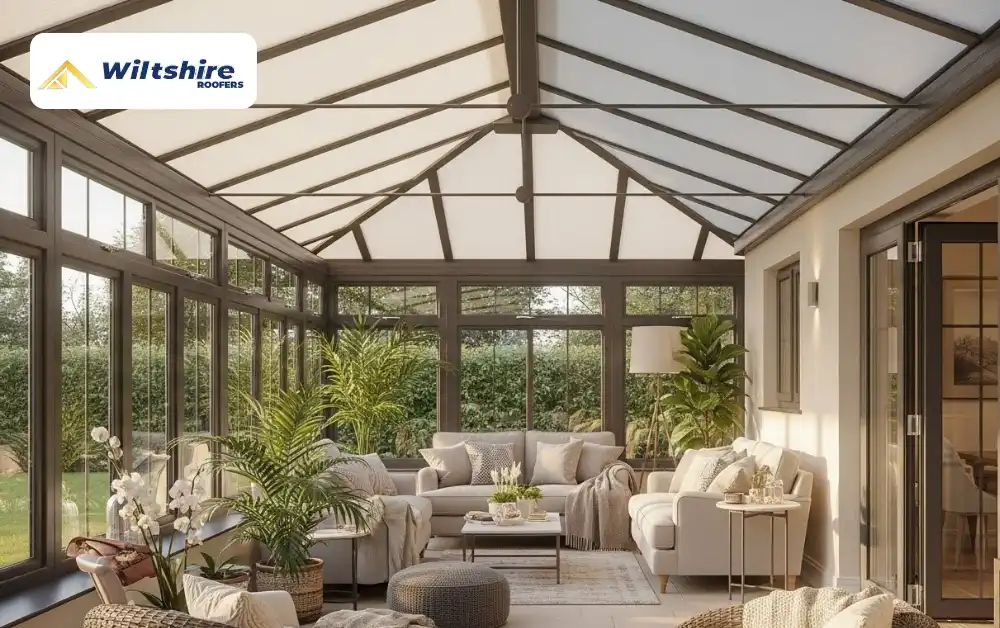
Insulated roof panels are one of the most efficient ways to improve a conservatory’s temperature. They keep the space warm in winter and cool in summer, while still letting in plenty of natural light. Panels come in different thicknesses to suit your needs.
Tiled Roof
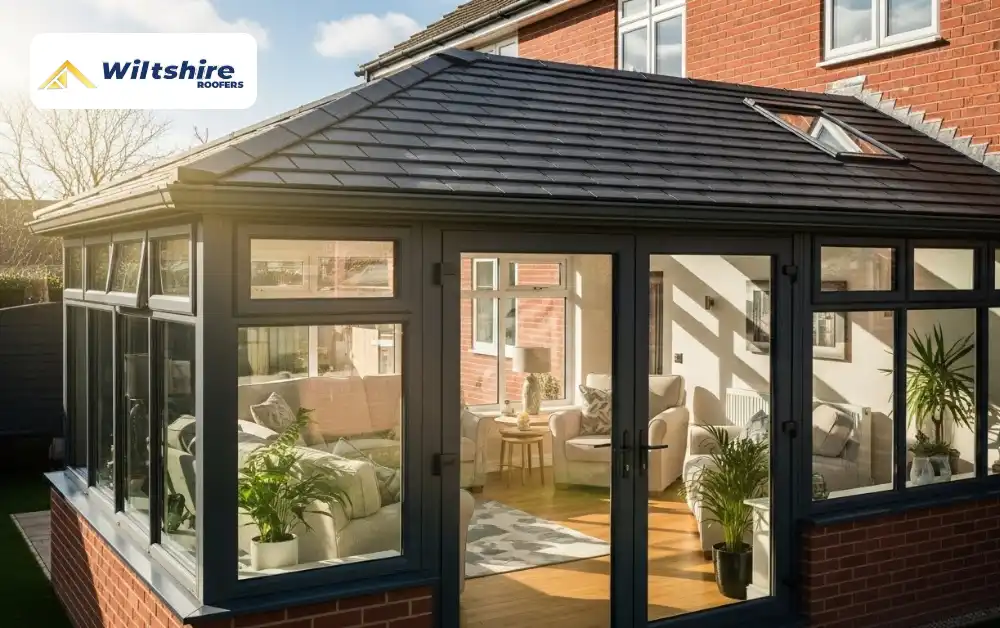
A tiled roof is a strong and long-lasting solution. Modern lightweight tiles provide excellent insulation and can reduce heat loss significantly. They also give your conservatory a stylish, solid appearance without adding too much weight.
Polycarbonate Roof Upgrade
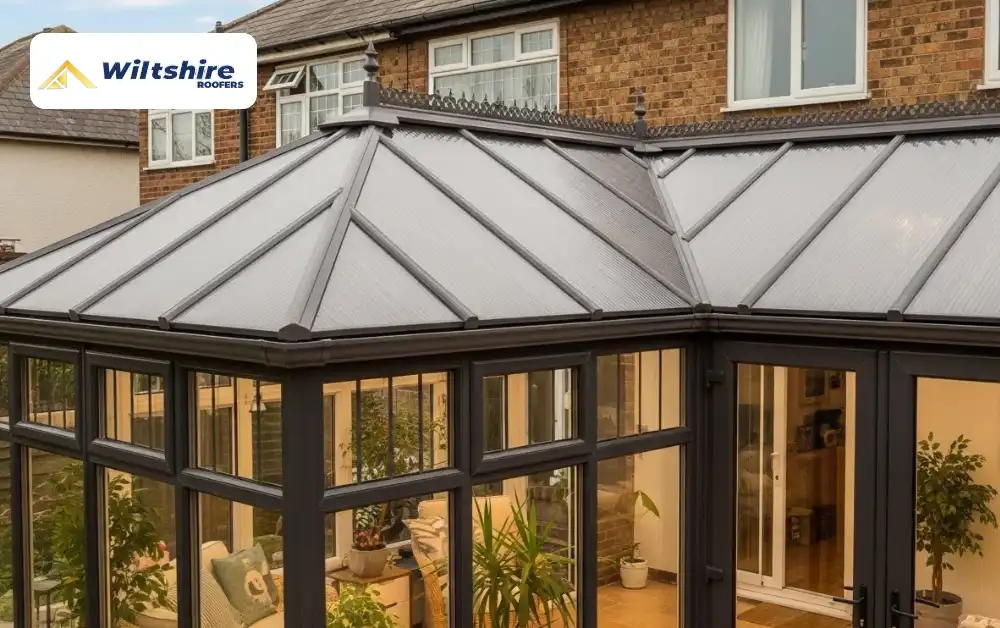
Replacing your standard roof with thicker polycarbonate panels can improve insulation. This is a cost-effective option, though it does not perform as well as panels or tiles for maintaining year-round comfort. It’s a good choice for those on a smaller budget.
Multifoil Insulation or Thermal Wadding
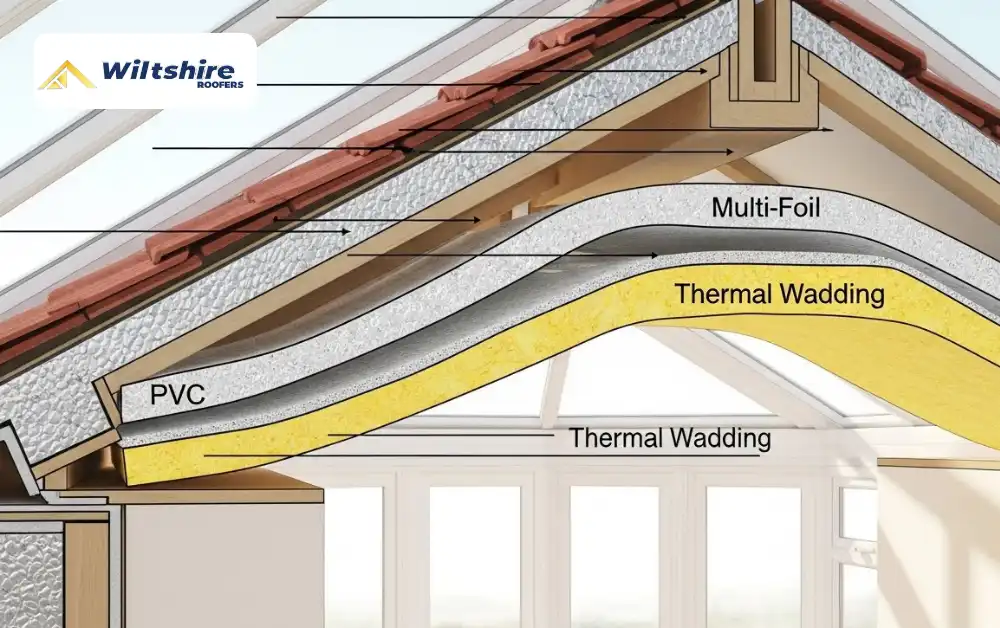
Adding multifoil insulation or thermal wadding beneath your existing roof helps minimise heat loss. It is easy to install and works best when combined with other methods. This solution helps regulate temperature changes and improves overall comfort.
Curtains or Blinds

Thermal curtains or blinds provide an affordable way to keep your conservatory cosy in winter and cooler in summer. While they don’t insulate as effectively as solid panels or tiles, they are flexible and can be installed quickly.
Solar Control Film
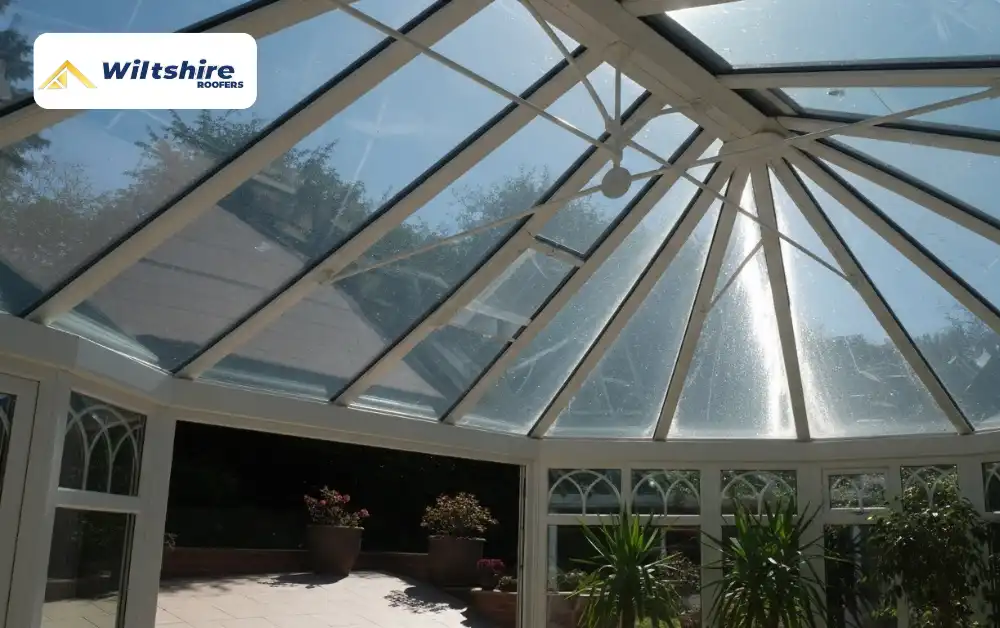
Solar control film is applied to glass roofs to reduce heat from sunlight during summer. It helps keep the conservatory cooler but does not trap warmth in winter. Combining it with other insulation methods can improve its effectiveness.
Aluminium Foil and Thermal Wadding
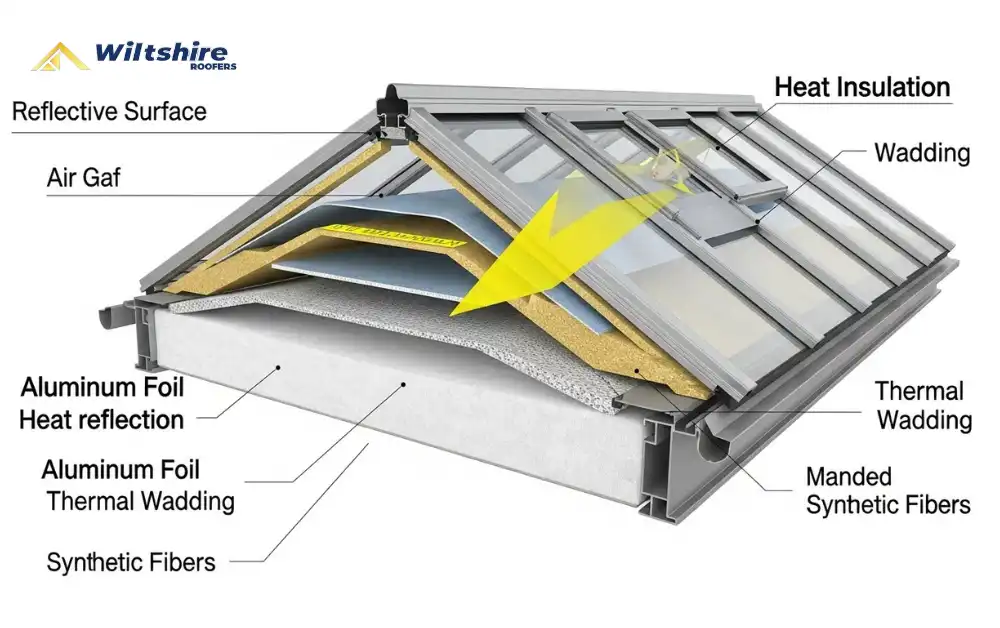
A practical and budget-friendly option is aluminium foil combined with thermal wadding. This reflects heat in summer and retains warmth in winter. It is simple to fit but less durable than permanent solutions like insulated panels or tiles.
Common Challenges of Insulating a Conservatory Roof
While insulating a conservatory brings many benefits, there are some challenges to consider. Being aware of these can help you make the right choices and avoid problems in the future.
Drilling Through Glazing Bars
Some insulation methods may require drilling into the glazing bars. These bars are important for supporting the roof and managing water drainage. Damaging them can cause conservatory roof leaks, so professional roofing services become essential when installing insulation.
Adding Weight to the Roof
Adding insulation can increase the weight on your conservatory roof. Older structures may struggle to support extra weight, especially in the UK, where heavy rain or snow is common. Choosing lightweight materials or seeking expert installation helps prevent damage.
Thermal Barriers and Light Issues
Certain insulation options, like thermal barriers, block heat loss effectively but can also reduce natural light. In the UK, where winter daylight is limited, it’s important to balance insulation with maintaining a bright and airy space.
Fire Safety Considerations
Not all insulation materials are fire-resistant. Using materials that meet UK safety standards is crucial to ensure your conservatory remains safe for you and your family. Always check the fire rating before installation.
The Risk of a Dark, Gloomy Room
Adding solid roofing insulation can make a conservatory feel darker. Preserving natural light is important for comfort and usability, especially during long UK winters. Selecting the right type of insulation can maintain brightness while improving warmth.
Conclusion
Insulating your conservatory roof is an effective way to improve comfort and save on energy costs all year round. Whether you choose insulated roof panels, a tiled roof, or thermal wadding, the right insulation helps maintain a pleasant temperature while keeping your energy bills lower.
There are some challenges to consider, such as drilling into glazing bars, adding weight to the roof, or reducing natural light. Planning carefully and choosing suitable materials will help you avoid these issues. With proper insulation, ventilation, and light balance, your conservatory can become a functional, comfortable space you enjoy throughout the year.
FAQ’s
Is it worth it to insulate a conservatory?
Yes, insulating a conservatory is worth it. It keeps the space warmer in winter and cooler in summer. Proper insulation improves comfort, reduces energy bills, prevents condensation, and makes your conservatory usable all year, regardless of the weather outside.
How do I make my conservatory warmer in winter?
To make your conservatory warmer in winter, insulate the roof with panels, thermal wadding, or multifoil insulation. Adding curtains or blinds, and checking for draughts, also helps. Combining these methods keeps heat inside and improves overall comfort effectively.
How much does a conservatory roof insulation cost?
The cost of conservatory roof insulation varies depending on materials and size. Insulated roof panels or tiled roofs are more expensive, while thermal wadding or polycarbonate upgrades are cheaper. Prices typically range from a few hundred to several thousand pounds.
What is the best insulation for a conservatory roof?
The best insulation for a conservatory roof depends on your needs. Insulated roof panels and tiled roofs offer excellent thermal efficiency, while multifoil insulation and thermal wadding are good budget options. Consider light, durability, and heat retention when choosing.
