
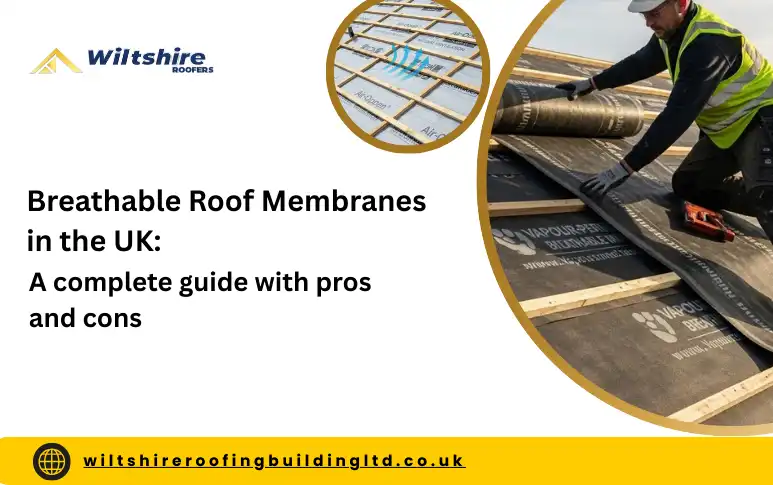
A safe and dry home starts with a strong roof. A breathable roof membrane plays a big part in this. It keeps out rain and wind while letting trapped moisture escape. This stops damp, mould, and damage inside the roof space.
An older roof often traps moisture. Over time, this leads to wet timbers, weak insulation, and poor airflow. A modern breathable roofing felt or breathable membrane for roof fixes this problem by letting the roof “breathe” while staying fully waterproof. It keeps the inside warm, dry, and steady through the UK’s changing weather.
As experienced roofers in Trowbridge, we will guide you to the available types, their pros and cons, and why they are now a standard choice for both new builds and re-roofing work.
Types of Breathable Roof Membranes
Choosing the right roofing membrane depends on your home, ventilation, and insulation setup. In the UK, two main options are used.
1. Air-Open Breathable Membrane
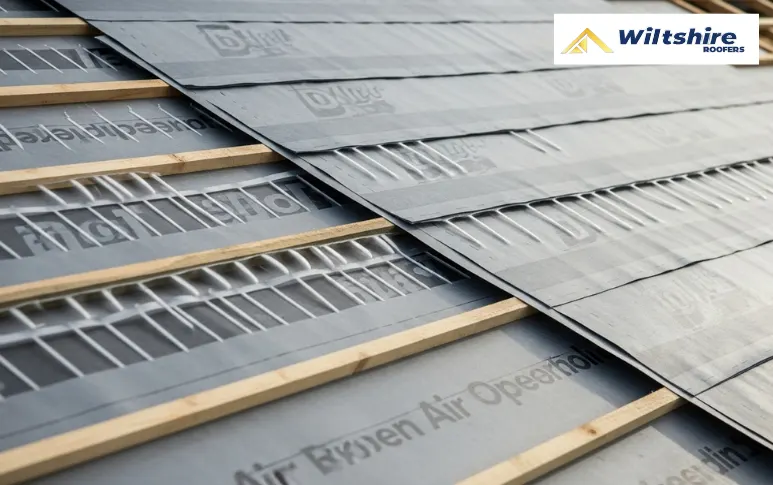
An air-open membrane lets both air and vapour move freely. This gives strong protection against condensation, even when ventilation is limited. Because airflow is natural, you often do not need extra vents.
It works well for newer homes with tight insulation and roofs designed for modern standards. It keeps the roof space dry without blocking airflow.
2. Vapour-Permeable Breathable Membrane
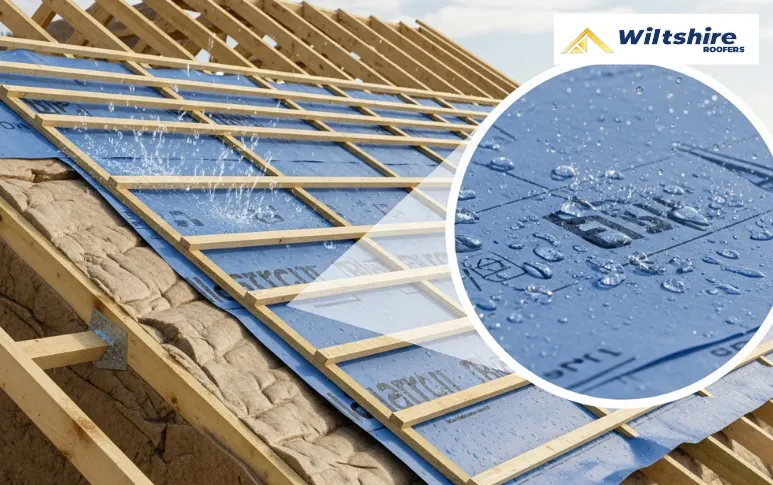
A vapour-permeable option lets moisture vapour escape but keeps out rain and snow. It is slightly less open than air-open felt, but it still offers solid breathability.
It is often used on older roofs, traditional builds, or roofs with good ventilation. It helps keep the structure dry and prevents damp and mould.
Pros and Cons of Breathable Roof Membranes
Breathable membranes offer strong protection, but each roof is different. Here are the key benefits and things to keep in mind.
Pros
1. Cuts Down Condensation
A breathable felt membrane removes trapped moisture from the roof space. This reduces damp, mould, and damage to insulation and roof timbers.
2. Helps Roof Last Longer
A dry structure avoids rot, decay, and timber damage. This extends the roof’s lifespan and reduces costly repairs.
3. Better Insulation and Energy Savings
Dry insulation performs better. This helps reduce heat loss and makes the home warmer in winter. It also supports better energy efficiency.
4. Lighter and Faster to Install
Modern breathable roofing felt is light and flexible. Roofers can install it quickly, which reduces labour effort.
5. Strong Protection in All Weather
A good waterproof roofing membrane blocks rain, snow, and cold wind. It still releases moisture from inside, keeping the roof balanced and dry.
Cons
1. Higher Initial Price
A breathable membrane costs more than old felt, but it offers better long-term value and stronger protection.
2. Some Roofs Still Need Ventilation
Older roof designs may still need vents. Always check the product guide or speak to a roofer before fitting.
3. Needs Careful Installation
If gaps or overlaps are not done correctly, leaks can happen. Skilled installers are essential for a watertight result. Always get roofing services from a qualified roofing company to ensure proper roof installation and avoid any later issues.
Conclusion
A breathable roof membrane is one of the best ways to keep your home dry and protected. It prevents moisture from becoming trapped, improves airflow, and protects the roof structure from water damage. For new builds or re-roofing, choosing the right breathable felt or breathable roofing membrane helps the roof last longer and perform better.
Top UK choices include Cromar Vent 3 Pro and Roofshield membrane. These offer strong waterproofing and reasonable vapour control. When installed by a skilled roofer, a quality breathable membrane roof can last for decades and give stable protection in all weather.
FAQs
Is a breathable roof membrane waterproof?
Yes. A breathable roof membrane is designed to block rain, snow, and wind, making it fully waterproof from the outside. At the same time, it allows moisture vapour to escape from the roof space. This balance helps prevent damp, mould, and timber decay. It keeps the structure dry without trapping moisture, which is a key problem with older roof felt.
What is the best breathable membrane for a roof?
The best membrane depends on your roof design, ventilation, and budget. In the UK, trusted options include Cromar Vent 3 Pro and Roofshield membrane. These offer strong waterproofing, good breathability, and long-term stability. They work well in both new builds and re-roofing projects. Your roofer can help choose the best option for your home.
How long does a breathable roof membrane last?
A high-quality breathable membrane can last 25 to 30 years when fitted correctly. Its lifespan depends on the installation, ventilation, and overall roof condition. Regular roof checks help maintain its performance and prevent minor issues from becoming costly repairs. A good membrane will stay durable and stable through the UK’s wet weather.
Does a breathable membrane need an air gap?
Most modern breathable membranes do not require an air gap because they allow vapour to escape naturally. However, some older roof types or specific insulation setups may still need a ventilation space. It depends on the roof design and the product used. Always read the product instructions or ask your roofing contractor for clear guidance.
