Selecting the best flat roof material for your property can be challenging. It’s important to consider factors such as local climate, roof size, and your long-term goals. Whether you’re looking for a durable solution or a modern aesthetic, choosing the right flat roof covering can make a significant difference.
As expert roofing contractors in the Trowbridge area, we share our knowledge and experience on the best flat roofing materials. By taking into account local weather conditions and other important factors, we aim to help you make an informed choice. Let’s explore the most common flat roof materials available in the UK, along with their pros, cons, and ideal uses.
Types of Flat Roof Materials
Selecting the right flat roof material is crucial because each type comes with unique benefits, costs, and suitability. Your choice should match your budget, local climate, and the performance you expect from your roof. Whether you’re installing a new roof, replacing an old one, or upgrading your existing roof, understanding your options is essential.
Some of the most common flat roofing materials in the UK include felt roofing, EPDM rubber, and GRP fibreglass. Each material offers advantages such as durability, low maintenance, and energy efficiency. Below, we break down these options to help you determine the best flat roof material for your home or business.
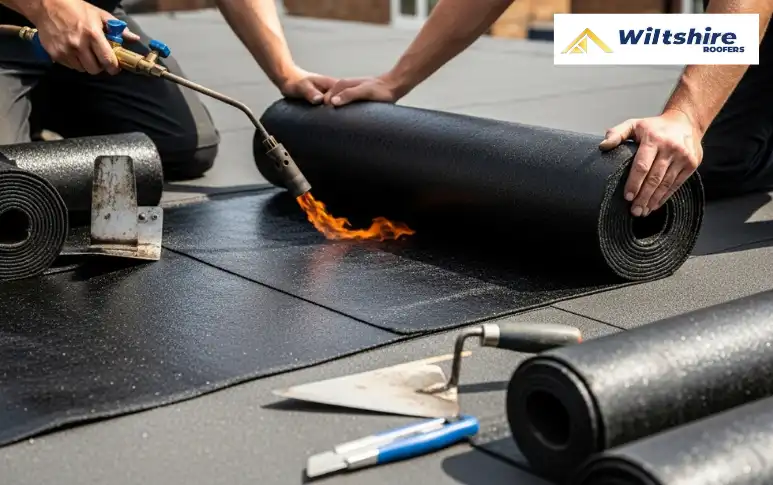
Felt Roofing (Bitumen Felt)
Average Lifespan:
Felt roofing typically lasts between 10 and 15 years, depending on material quality and maintenance. High-quality felt can last closer to 15 years, while lower-end options may require earlier replacement.
Cost Range:
Felt roofing is one of the most affordable flat roofing solutions. Prices generally range from £60 to £80 per square meter. With insulation, costs may increase to around £130 per square meter.
Best Uses:
Felt roofing is ideal for small structures such as garages, sheds, and extensions. It is also suitable for residential buildings when paired with regular maintenance and additional layers. Its waterproofing makes it a practical option for quick and cost-effective roofing solutions.
Pros:
- Affordable and cost-effective
- Easy installation (DIY or professional)
- Waterproof and weather-resistant
- Low maintenance
Cons:
- Shorter lifespan (10-15 years)
- Vulnerable to extreme weather
- Repairs can be noticeable
- Torch-on installation can be hazardous
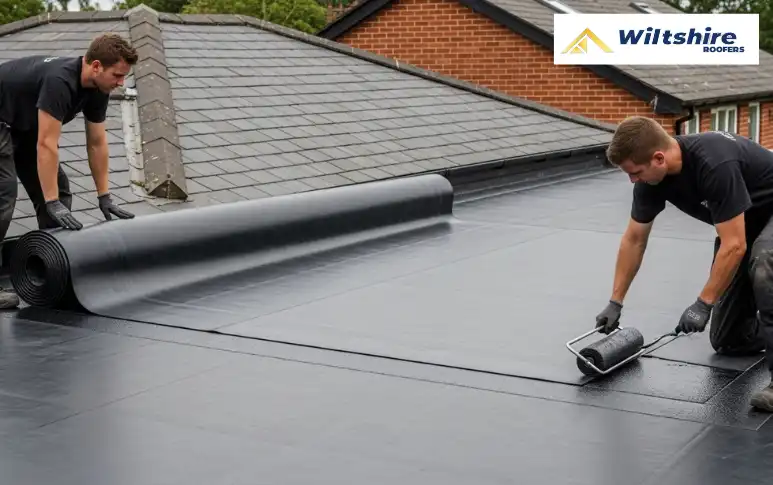
EPDM Rubber Roofing
Average Lifespan:
EPDM roofing is highly durable, lasting 30–50 years with proper care. Longevity depends on installation quality, maintenance, and weather conditions.
Cost Range:
EPDM is cost-effective, priced between £50 and £90 per square meter. Its long lifespan, combined with affordable installation, makes it popular for residential and commercial properties.
Best Uses:
EPDM is suitable for flat roofs exposed to extreme weather. Commonly used for homes, garages, offices, and workshops, its seamless design adapts to complex roof shapes. It’s also ideal for green roofs due to its excellent waterproofing and root resistance.
Pros:
- Long-lasting and durable
- Weather-resistant and UV-proof
- Low maintenance, easy installation
- Flexible, resists shrinkage
- Cost-effective compared to premium options
Cons:
- Rubber appearance may not appeal to everyone
- Can be damaged by sharp debris
- Extreme conditions may cause shrinkage or tenting
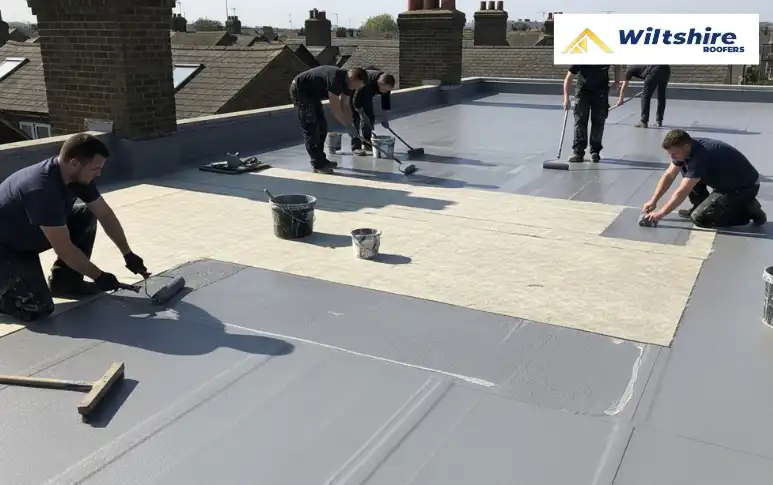
GRP Fibreglass Roofing
Average Lifespan:
GRP fibreglass roofs are durable, lasting 20–30 years. High-quality installations can last up to 50 years, offering excellent long-term reliability.
Cost Range:
GRP roofing costs typically range from £70 to £100 per square meter. Prices vary depending on fibreglass type, roof complexity, and additional services.
Best Uses:
GRP is ideal for flat roofs of all sizes and shapes, suitable for residential and commercial properties. It works well for extensions, garages, workshops, and balconies, and can easily fit complex roof designs.
Pros:
- Long lifespan (20–30 years)
- Weather-resistant
- Seamless design prevents leaks
- Safe installation, no heat or flames needed
- Low maintenance
Cons:
- Higher cost than some other options
- Fibreglass finish may not suit all tastes
- Installation requires expertise
- Vulnerable to falling debris if membrane is thin
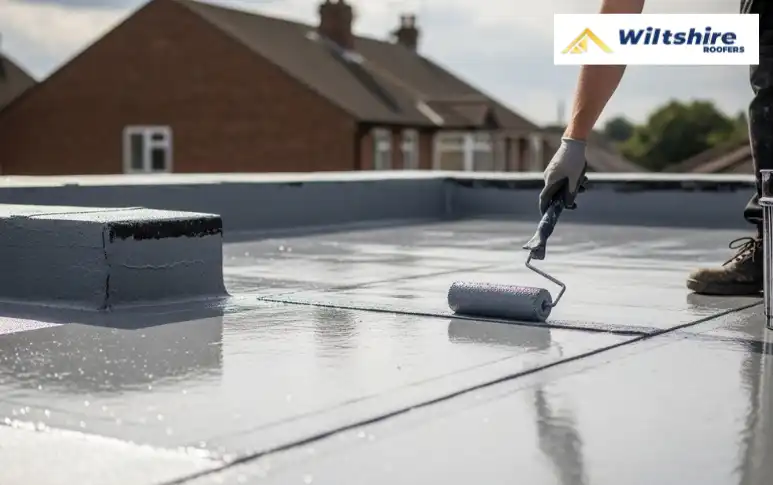
Liquid Flat Roofing Systems
Average Lifespan:
Liquid flat roofs can last 30–35 years depending on the material. Liquid rubber coatings, in particular, can exceed 30 years.
Cost Range:
Costs range from £60 to £100 per square meter, depending on the type of liquid used (GRP fibreglass, liquid plastic, or rubber). While the initial cost is moderate, durability ensures excellent value over time.
Best Uses:
Liquid roofs suit both new installations and repairs. Ideal for residential homes, commercial buildings, garages, and extensions. They can be applied directly without disturbing the existing structure, making them excellent for roof repairs.
Pros:
- Easy installation, minimal disruption
- Can be applied year-round
- Durable and cost-effective
- High tensile strength and elasticity
Cons:
- Appearance may not appeal to everyone
- May wear in high-traffic areas
- Requires expertise for best results
- Best for flat or low-slope roofs only
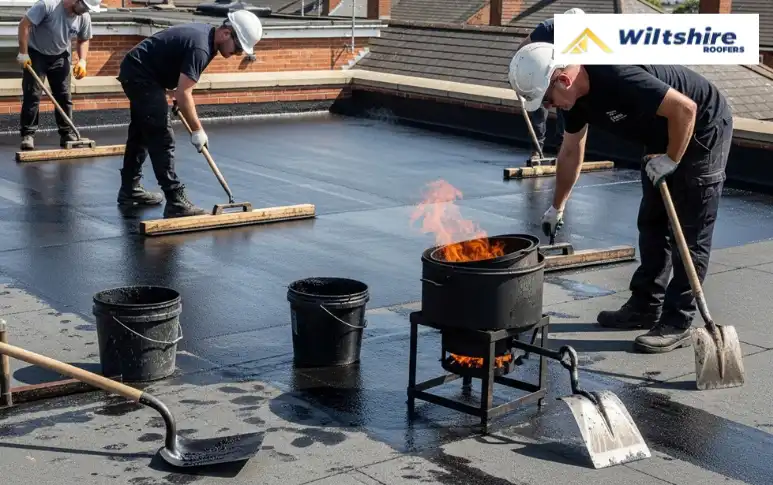
Mastic Asphalt Roofing
Average Lifespan:
Mastic asphalt is extremely durable, lasting over 50 years with proper care.
Cost Range:
Costs range from £80 to £120 per square metre. Higher initial cost is offset by long lifespan and low maintenance.
Best Uses:
Suitable for new buildings, refurbishments, and existing structures. Ideal for flat roofs on residential and commercial buildings. Its smooth, waterproof coating fits tight spaces and complex designs.
Pros:
- Exceptional durability (>50 years)
- Weather-resistant and energy-efficient
- Flexible, moulds to roof shapes
- Low maintenance
Cons:
- Higher upfront cost
- Requires professional installation
- Industrial appearance
- Heavy material may need extra support
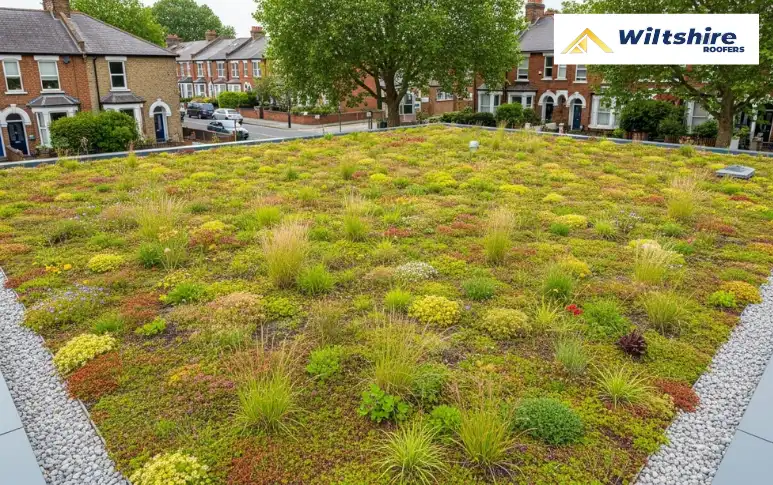
Green Roof Alternatives
Average Lifespan:
Green roofs last 40–50 years with proper care. Lifespan depends on plants, installation quality, and climate.
Cost Range:
Costs range from £60 to £120 per square meter. While the initial cost is higher, long-term benefits justify it.
Best Uses:
Green roofs are perfect for residential and commercial buildings aiming for eco-friendly and energy-efficient spaces. They are suitable for offices, garages, and community spaces.
Pros:
- Eco-friendly, supports wildlife
- Energy-efficient, natural insulation
- Soundproofing benefits
- Aesthetic appeal
- Low maintenance
Cons:
- Higher installation cost
- Requires proper climate and drainage
- Needs maintenance for plant health
- Installation requires expertise
Final Thoughts on Flat Roof Types
Choosing the right flat roof material depends on your budget, climate, and property needs. Whether you select cost-effective felt, long-lasting EPDM, or sustainable green roofs, each option has advantages. For professional advice and expert installation in the Trowbridge and surrounding areas, contact Wiltshire Roofing Building.
FAQs – Best Flat Roof Material in the UK
1. What is the best material for a flat roof in the UK?
The best flat roof material in the UK depends on your budget, roof size, and needs. EPDM rubber is highly durable and resistant to extreme weather, while GRP fibreglass provides strength with a seamless finish. For a more affordable option, felt roofing remains a popular choice for homeowners on a budget.
2. Which flat roof material lasts the longest?
EPDM rubber is among the longest-lasting flat roof materials, with a lifespan of up to 50 years if properly maintained. GRP fibreglass also offers long-term durability, lasting 30–50 years with minimal maintenance.
3. What is the most reliable covering for a flat roof?
The most reliable flat roof covering depends on your priorities. EPDM rubber is excellent for weather resistance and longevity. Green roofs offer natural insulation and an eco-friendly solution, while GRP fibreglass provides a strong, leak-free, seamless finish.
4. What is the cheapest flat roof replacement option?
Felt roofing is typically the most affordable flat roof replacement. It’s easy to install and cost-effective, making it suitable for short-term solutions. However, it has a shorter lifespan than materials like EPDM or GRP fibreglass.
