
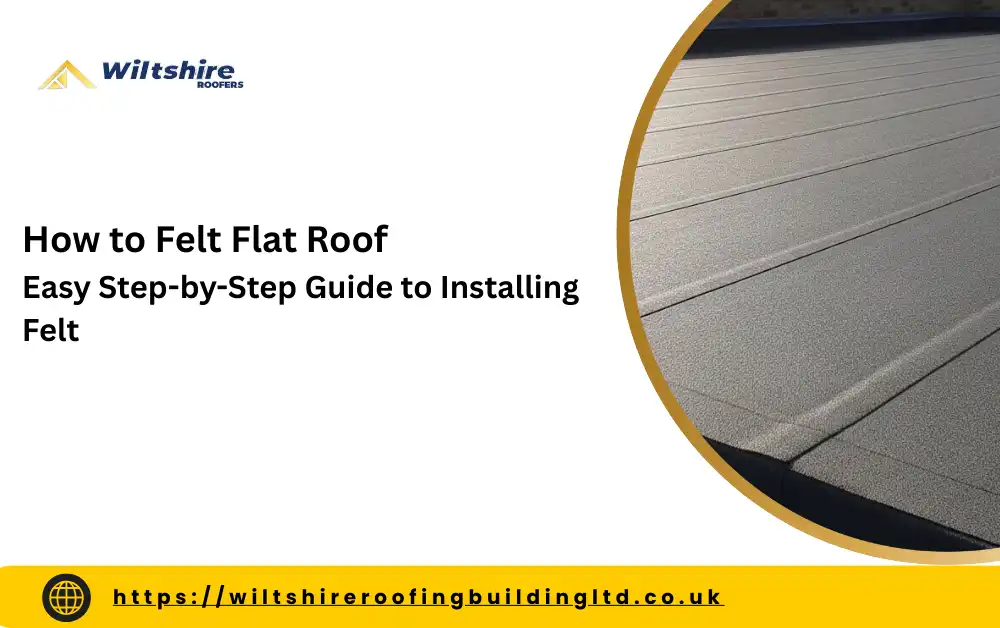
A felt flat roof is one of the easiest and most reliable ways to protect your flat roof. It works well for garages, sheds, and home extensions. Installing roofing felt is affordable and does not require heavy tools. Felt on a flat roof helps keep water out and increases the life of your roof. Roof felt is lightweight, easy to handle, and can be applied even by beginners. It also gives your roof a neat, professional finish.
As a Local roofing specialist, we will guide you through every step. From measuring and cutting the felt to laying each layer properly, we cover it all. We’ll also share tips to maintain your flat roofing felt. By following this guide, you can install a felt flat roof that lasts for years. You will learn how to felt a flat roof, attach it securely, and avoid common problems.
Step-by-Step Guide to Felting a Flat Roof
Felting a flat roof is simple if you follow the right steps. With the correct tools and roofing felt, you can make your flat roof strong and waterproof. This guide covers every step, from measuring to finishing touches.
Measure and Calculate the Roof Area
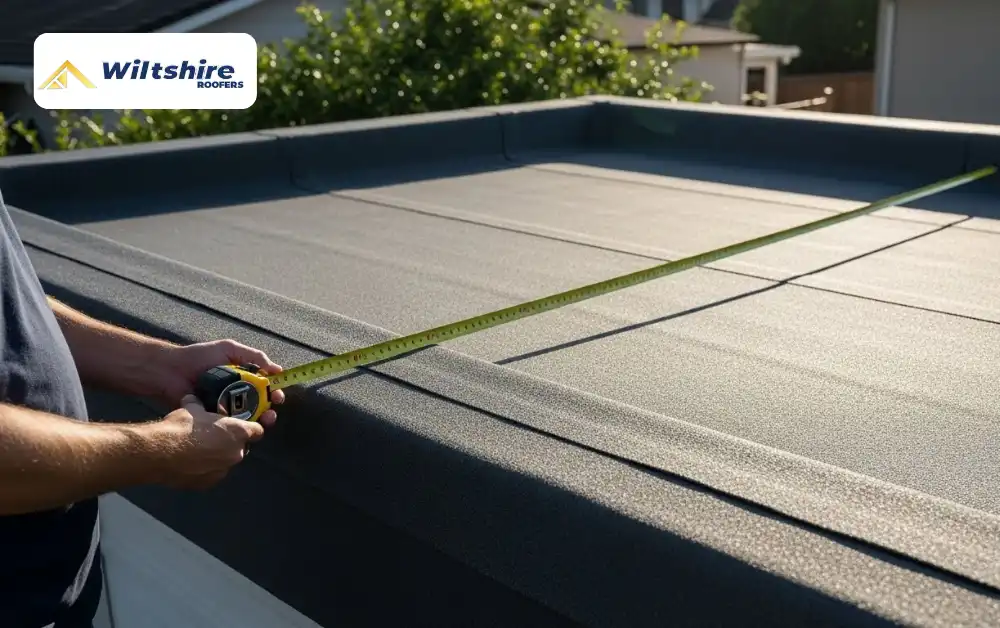
Start by measuring the length and width of your flat roof. Multiply them to get the total area. Always add extra felt for overlaps and edges, especially if you plan to lay two or three layers. This ensures full coverage and a tight fit.
Cutting and Measuring the Felt
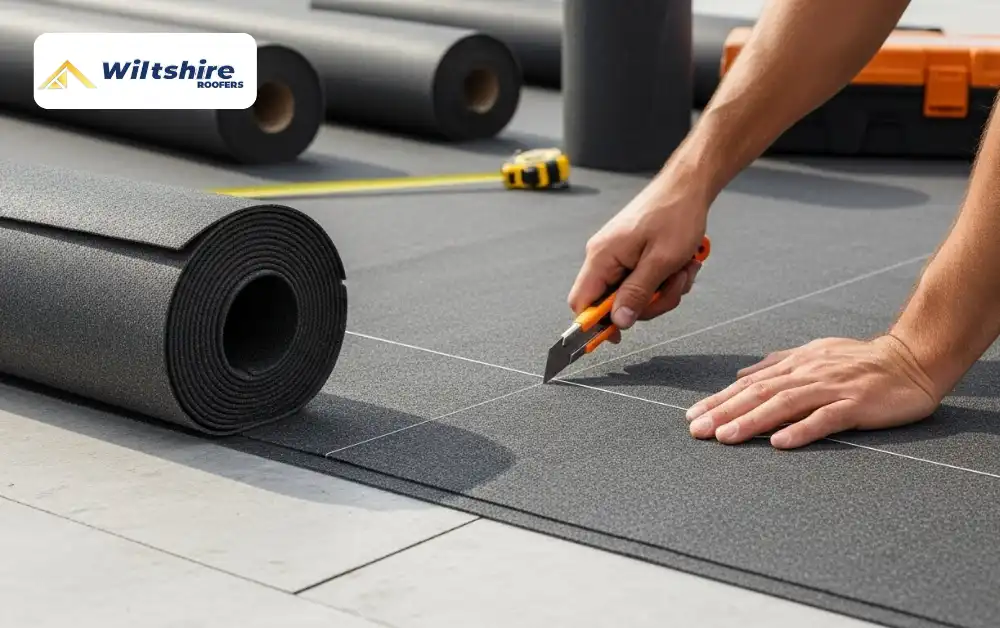
Roll out the roof felt and cut it into sections that are easy to handle. Leave about 5–7 cm extra on each side for overlaps. Proper cutting prevents gaps and helps the felt lay flat on your roof.
Laying the First Layer of Felt
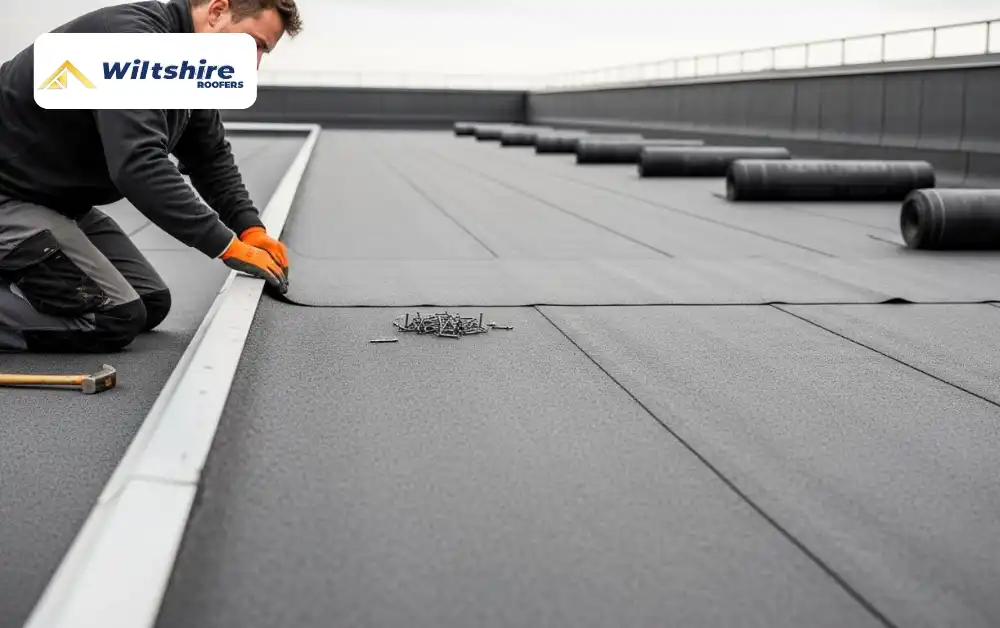
Place the first piece of felt carefully, making sure it aligns with the roof edges. Nail it down every 5 cm, starting from the centre outwards. Keep the felt smooth and tight to avoid bubbles or wrinkles.
Applying Adhesive and Securing the Felt
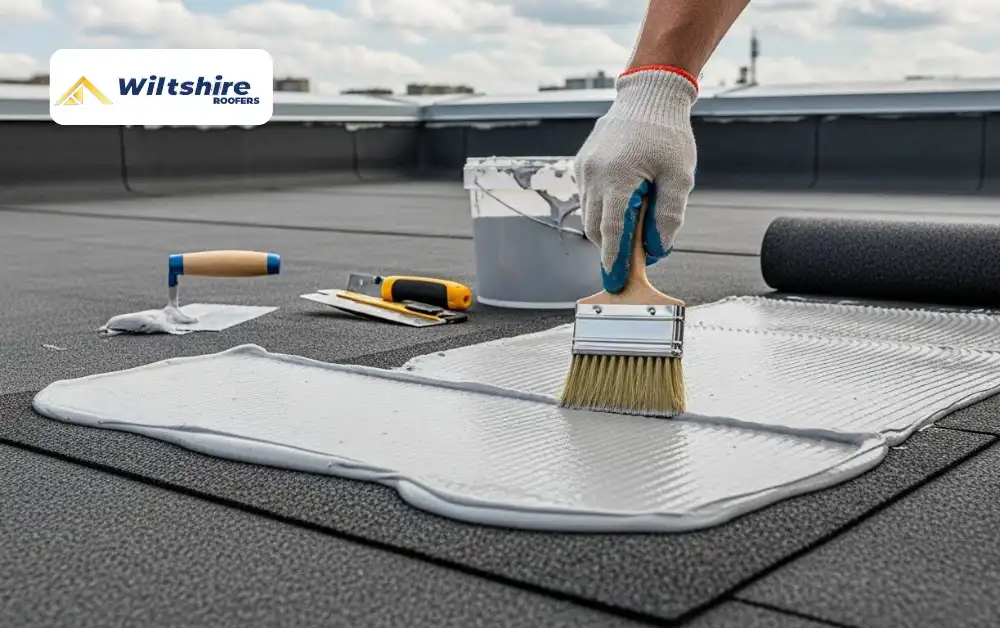
Brush a thin layer of roofing adhesive over the felt. Press it down to remove air bubbles and secure a strong bond. This makes your flat roofing felt last longer and stay waterproof.
Adding Additional Layers of Felt
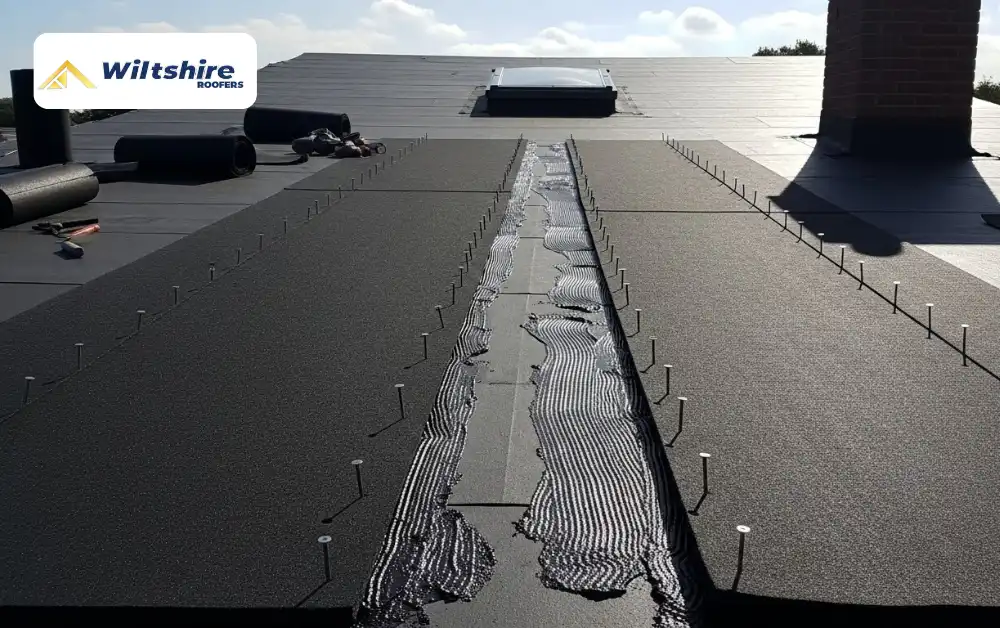
Lay the second and third layers with 5 cm overlaps over the first layer. Use nails and adhesive to fix each layer, keeping them flat and smooth. More layers give extra protection against water and damage.
Trimming and Finishing the Edges
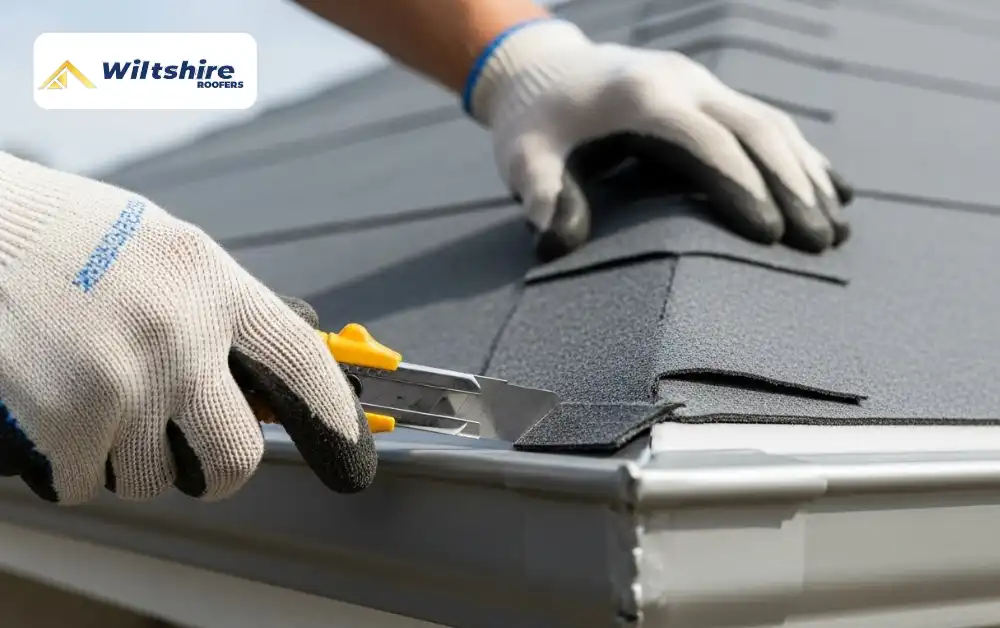
Trim any excess felt carefully, leaving a small overlap for security. Neat edges stop the felt from lifting and give your roof a tidy finish.
Adding Protective Layers
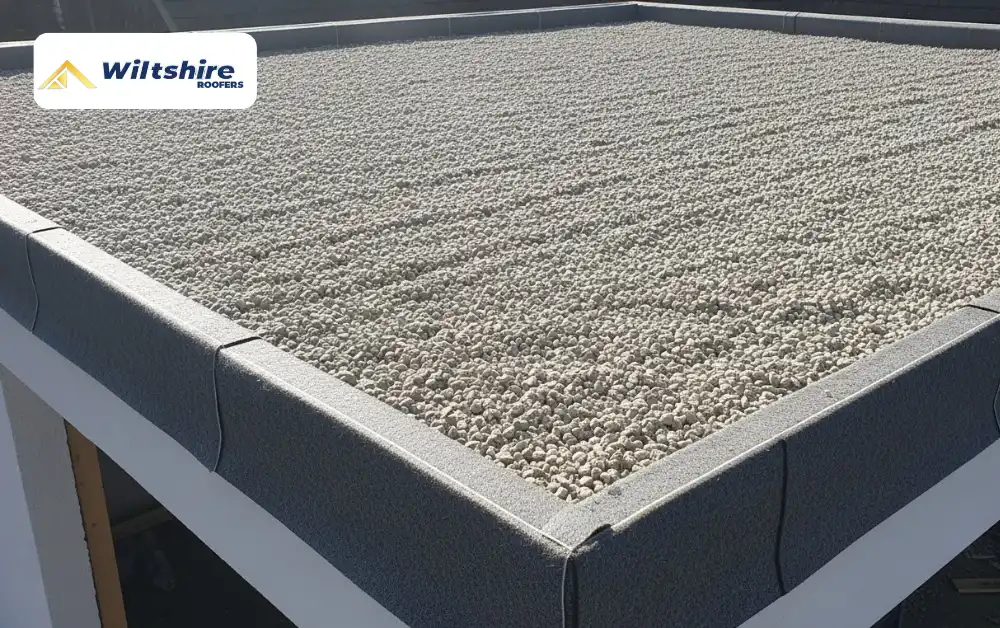
For extra durability, cover the top layer with gravel or fibre trims. Gravel protects the felt from UV damage, and fibre trims make the roof edges neat and secure.
Even if you follow these steps, beginners might consider hiring flat roofing services. Professional help ensures the job is done safely and correctly.
Maintenance and Longevity of Felted Roofs
A felt flat roof can last many years if it is looked after properly. Regular checks help you spot small problems before they turn into expensive repairs. Simple care goes a long way in keeping the flat roof felt strong and waterproof.
Felting a flat roof is only part of the job. Ongoing maintenance protects the roofing felt from weather damage and wear. With basic care, a flat felt roof stays secure and performs well for a long time. If small leaks are ignored, the cost of roof repair can quickly become very high.
Tips for Maintaining a Felt Flat Roof
- Regular inspections: Check your felt flat roof at least twice a year. Look for cracks, bubbles, or loose areas in the roof felt. Early repairs help avoid bigger damage.
- Keep the roof clean: Remove leaves, dirt, and small branches from the surface. Debris can trap water and slowly damage flat roofing felt.
- Stop moss and algae growth: If moss appears, clean it gently with a soft brush. Moss can weaken felt flat roofing if left untreated.
- Check drainage systems: Make sure gutters and drains are clear. Poor drainage causes standing water, which shortens the life of felt for flat roof use.
- Fix leaks quickly: If you notice a leak, repair it as soon as possible. Refelting a flat roof early prevents further damage to the structure underneath.
Common Issues and How to Prevent Them
Even a well-installed felt flat roof can face problems over time. Most issues happen due to weather exposure or poor drainage. The good news is that many of these problems can be prevented with regular checks and quick action.
- Cracking and Ripping
Sun exposure and harsh weather can cause roofing felt to crack or tear. Adding gravel or fibre trims helps protect felt flat roofing from UV damage and reduces wear over time. - Water Pooling
Flat roofs often collect standing water, which increases the risk of leaks. Make sure the roof has a slight slope and keep drains and gutters clear so water can flow away properly. - Leaks Along Seams
Leaks often appear where felt sheets join together. Check these areas regularly and reapply adhesive if needed. Fixing small leaks early helps avoid costly flat roof repairs later. - Blistering in Roofing Felt
Blisters form when air or moisture gets trapped under the felt. Press out the trapped air and secure the area with adhesive to stop the problem from spreading.
By dealing with these issues early and maintaining your felt for flat roof surfaces, you can extend the life of your roof and keep it performing well for many years.
Conclusion
A felt flat roof is a practical and budget-friendly option for protecting your property. When fitted correctly, roofing felt creates a strong, waterproof surface that lasts for years. Choosing the right felt, following each installation step, and carrying out regular checks all help prevent damage. By keeping the roof clean and fixing small issues early, you can avoid costly repairs and extend the life of your flat roof felt.
FAQs
How do you stick felt to a flat roof?
Roofing felt is fixed using a combination of roofing adhesive and nails. The adhesive is spread evenly to create a strong bond, while nails secure the edges and overlaps, helping the felt stay flat and waterproof.
How many layers of felt should a flat roof have?
Most felt flat roofs need two or three layers. Multiple layers improve strength, waterproofing, and durability. A three-layer system is often recommended for garages and extensions as it offers better long-term protection.
Can you refelt a flat roof?
Yes, you can refelt a flat roof if the base structure is still sound. Old felt should be removed or repaired first, then new flat roofing felt can be laid to restore waterproof protection.
How to hold down roofing felt?
Roofing felt is held down using nails along the edges and overlaps, combined with roofing adhesive. Pressing the felt firmly into place helps remove air pockets and ensures it stays secure during bad weather.
